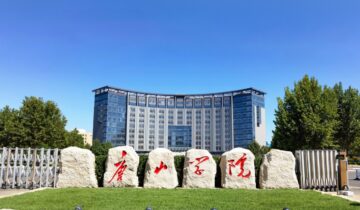
In 1907, the Hubei governor Zhang Zhidong, the reformer who modernized Chinese industry, founded a commercial school in Wuhan. A century later, the institution that grew from that school is building something he could never have imagined — a national research center for trading carbon emission rights. Hubei University of Economics runs the span between the two, one hundred and twenty years of commercial education in a single lineage.
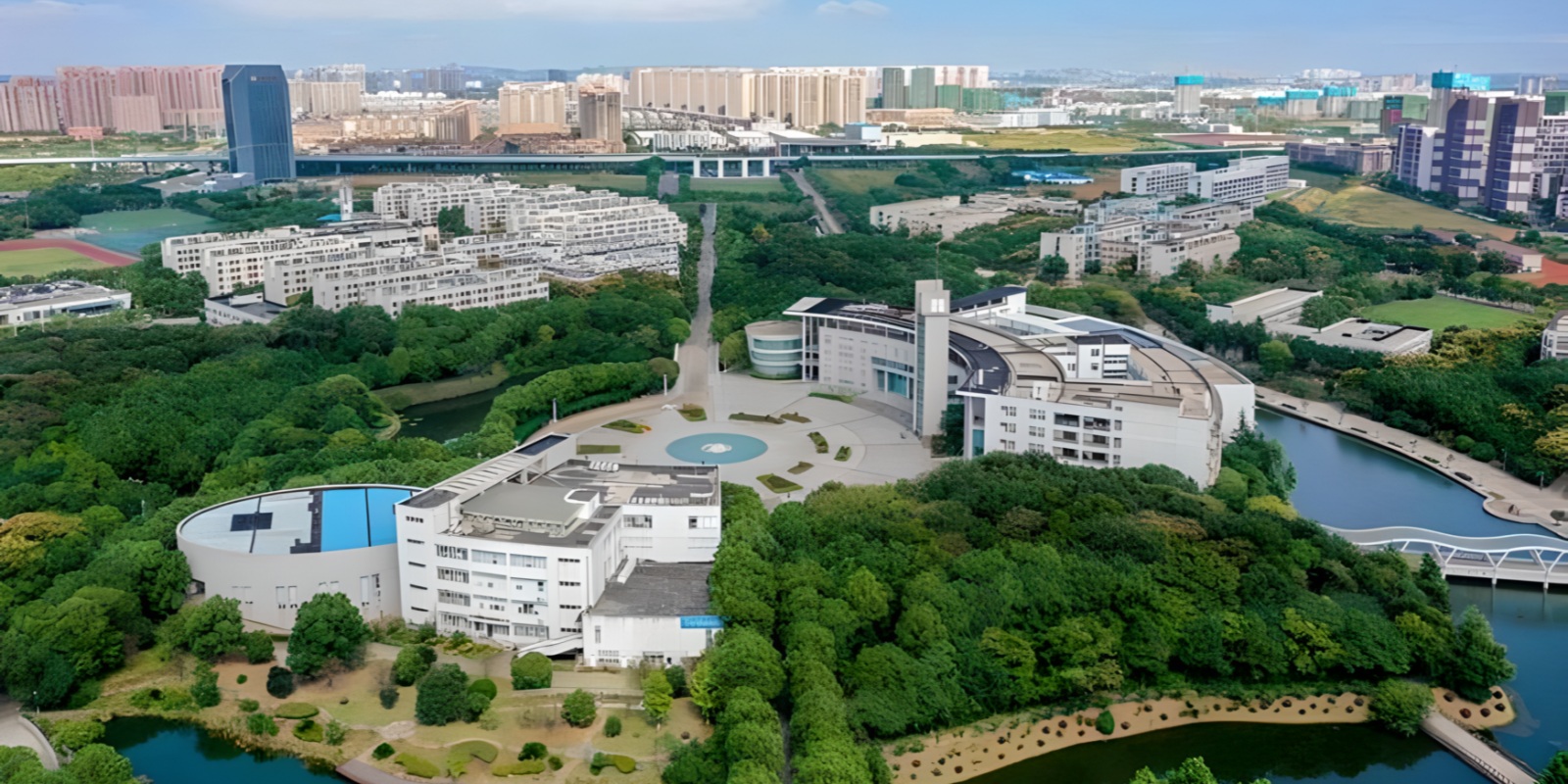
The university took its present shape in 2002, when three institutions, a commercial college, a finance college, and a planning management academy, merged with the ministry’s approval. It began master’s education in 2012, won full master’s degree-granting status in 2021, and now offers one academic master’s program in applied economics and ten professional master’s programs, from accounting and finance to taxation and digital economy. Its campus of about 143 hectares sits by Tangxun Lake in Wuhan’s Optics Valley innovation corridor.
The disciplinary map keeps the business core. Economics, management, and law form the trunk, with engineering, literature, science, and the arts growing around them, and four disciplines rank among the province’s key subjects. 19 national first-class undergraduate programs, from finance and accounting to statistics and e-commerce, anchor the teaching, alongside 14 national “gold courses,” and more than 19,000 undergraduates and 1,000 postgraduates study here today.
The university’s research identity is unmistakably modern. It has built the Carbon Emissions Trading Collaborative Innovation Center, co-funded by the province and a central ministry, plus a provincial key laboratory for digital finance and a string of think tanks whose reports have shaped national and provincial policy. Its faculty of 1,215 includes 16 national-level talents, and the university has recruited 50 full-time teachers from Taiwan, a record that earned it a state-approved demonstration center for cross-strait youth employment.
Internationally, HBUE cooperates with over 40 institutions in more than 20 countries and regions, and its newest venture ties the two ends of its history together: a carbon economy and data science college run with Frostburg State University in the United States. Guided by its motto, “Virtue, Erudition, Statecraft, and Benefiting the People,” the university keeps its founding purpose in sight. From Zhang Zhidong’s commercial school to a carbon trading research center, the subject matter has changed almost beyond recognition, but the mission has not: teach the people who will run China’s economy, whatever form it takes next.
Data Source: HBUE Official Website (as of 2025)