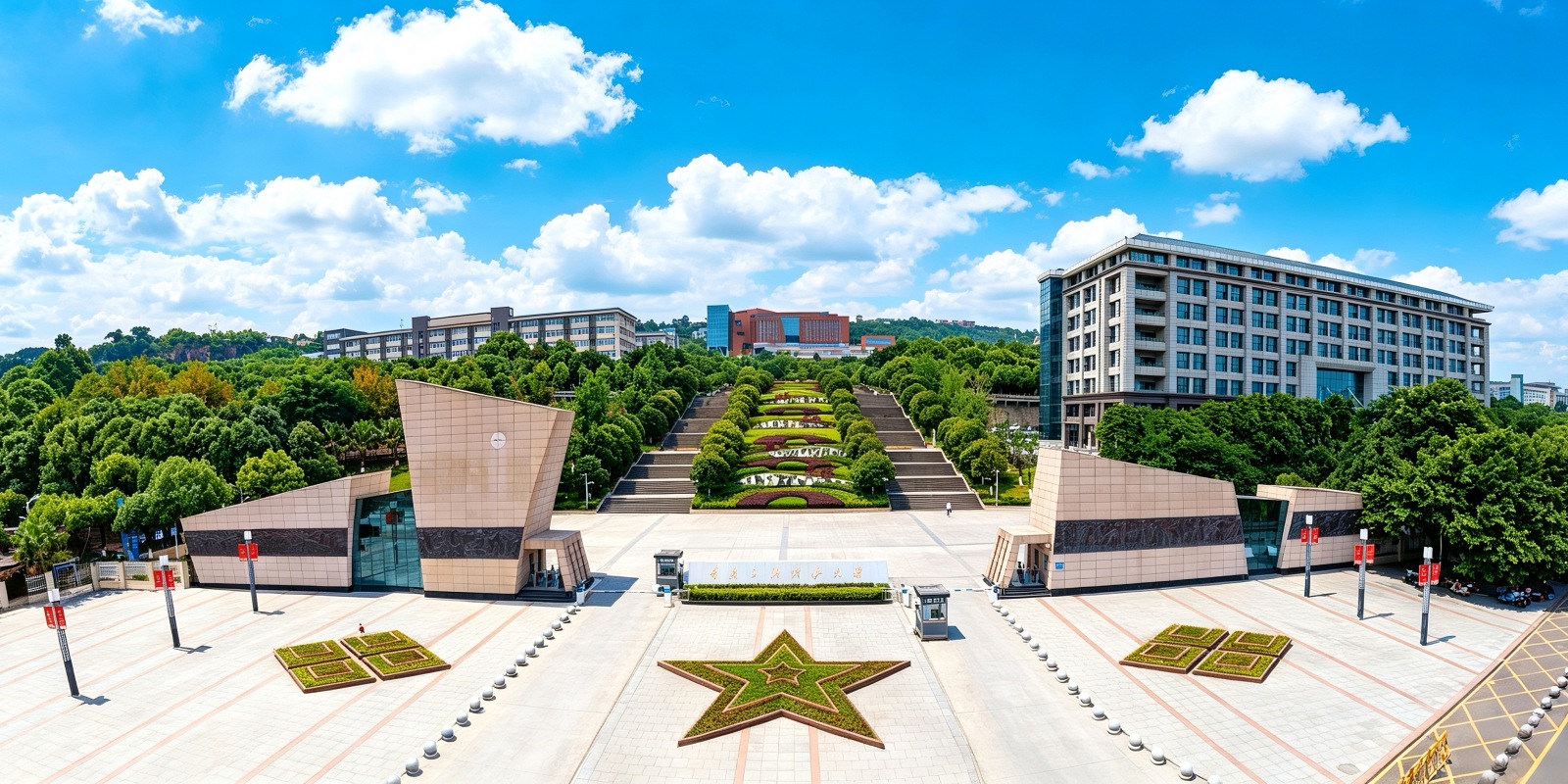
For nearly seventy years it was a college. Then, in its recent renaming, Chongqing Sanxia College became a university, taking the name Chongqing Sanxia University of Science and Technology. The change closes a quiet chapter for a school that has spent seven decades in Wanzhou, a district of Chongqing at the heart of the Three Gorges reservoir area, where it was founded in 1956 to serve the region’s people.
Its path has been gradual but steady. It became a four-year undergraduate institution in 1994, gained master’s degree-granting authority in 2013, and in 2021 was approved as a candidate university for doctoral degree-granting status. Two campuses, Baian and Shalong, together with an agricultural research institute, spread over about 187 hectares, and more than 20,000 students study there, 2,300 postgraduates among them.
The academic structure tilts toward the region’s needs. Engineering, literature, and management form the core, joined by science, agriculture, economics, and law, through 64 undergraduate programs and 5 first-level master’s programs plus 10 professional master’s categories. Twenty-eight programs hold national or provincial first-class status, and the university has built 7 new-type colleges and industry colleges at provincial level, including the Green Ecological Engineering College, a response to the environmental mission of the reservoir area.
Faculty numbers over 1,400, with roughly 1,200 full-time teachers, some 400 of them with senior titles and about 350 with doctorates. Research has followed the region’s needs: upwards of 700 national and provincial projects in the past five years, 700-plus granted patents, and 33 science awards, including three at national level, supported by 5 provincial key laboratories and 26 provincial platforms.
The students give the university its most unusual headlines. Two of them were named “World Memory Masters” at the 24th World Memory Championships, a title few students anywhere can claim, and the university has collected 2,400 provincial and national competition awards in five years. Its over 200,000 graduates have gone into every corner of the reservoir region, while partnerships with universities in Britain, Germany, Russia, and Hungary, and with companies like ZTE and Changan Auto, keep the school connected to the wider world. The college is gone; the university is new, but the mission of the past seven decades, rooted in the Three Gorges and the people who live there, has not changed.
Data Source: SXU Official Website (as of 2026)