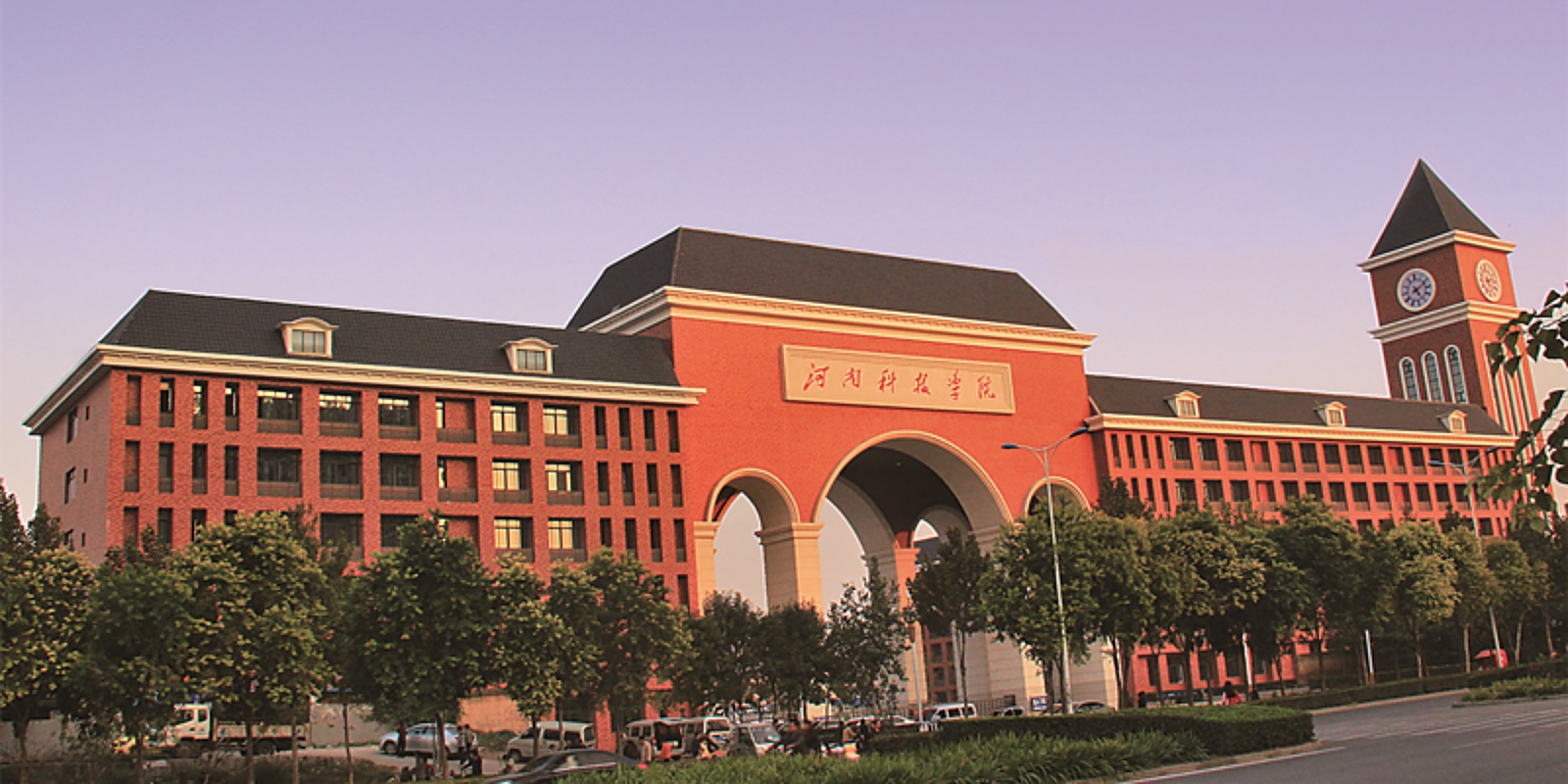
Few wheat varieties have done more for China’s food supply than Aikang 58, a short-straw, high-yield cultivar that won a national first prize in 2013. The university behind it is not a national research institute but a provincial college in Xinxiang, Henan: Henan Institute of Science and Technology, whose wheat-breeding program has since produced Bai Nong 207, the most widely planted wheat in China for three straight years.
Breeding is the crown jewel of a serious research record. The institute has won seven National Science and Technology Progress Awards and three National Technology Invention Awards, and its Bai Nong 4199 wheat has been a nationally recommended leading variety for five consecutive years. Research runs through 52 provincial-or-higher platforms, including a national key laboratory and the Bai Nong seed-industry post-doctoral station.
Academically, the college is built around crops and livestock: crop science and horticulture hold provincial backbone status, along with a special cluster for high-end intelligent lifting equipment, and three disciplines sit in the ESI global top 1 percent. Eleven first-level master’s programs, 81 undergraduate majors, 15 of them national first-class, and 20 provincial key disciplines round out the map.
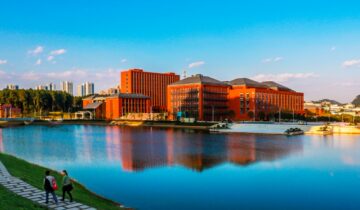
The campus hosts about 24,000 students taught by 1,602 full-time faculty, 777 of them with doctorates, and the faculty includes an academician of the Chinese Academy of Sciences and 27 national-level talents. It has produced 200,000-plus graduates since its founding.
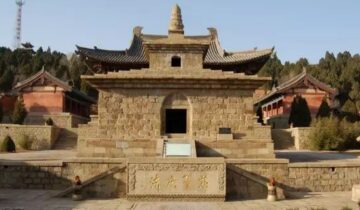
The lineage is older and more unusual than most provincial colleges can claim. It traces its roots to 1939 and the biology department of an academy of natural sciences in Yan’an, passing through a succession of agricultural colleges and institutions before settling in Xinxiang. It became a vocational teacher-training college in the reform era and took its present name in 2004, and it is now a key project unit for doctoral degree authorization in Henan.
International cooperation carries an agricultural bent. It runs a Sino-foreign cooperative institution, the Sumy International College, with Ukraine’s Sumy National Agrarian University, and partners with universities in the United States, Germany, Australia and Hungary, with some 60 foreign experts on campus.
By its own account the college is “born of agriculture,” and the record backs the claim: a wheat variety that helped feed one of China’s largest grain provinces, and a pipeline of varieties still being planted across the North China Plain. What began as a biology department in Yan’an has become the breeding powerhouse of Xinxiang, and the chain of varieties still being released is the quiet dividend of more than 80 years of turning seeds into security.
Data Source: HIST Official Website (as of 2025)