Some universities are defined by age, others by pedigree. Huanghuai University in Zhumadian, Henan, is defined by something rarer for a school founded in 2004: it has hosted the Ministry of Education’s International Forum on Industry-Education Integration for twelve consecutive years, making a young university the habitual home of a national policy conversation.
The school’s short history has been single-minded. Approved as an undergraduate institution in 2004, it joined China’s first wave of applied-technology university pilots and became a vice-chair unit of the national alliance for such schools, a positioning written into its strategy: local, applied, open.
Industry ties are the campus’s calling card. Eighteen schools run 61 undergraduate programs across ten disciplines, and the university builds its courses with companies: the water-proofing materials and engineering industry college and the new-energy and connected-vehicle industry college are both provincial key industry colleges, alongside a building water-proofing academy, a green pharmaceutical academy, an artificial intelligence industry college and a rural design college. Thirteen model villages have been built with faculty help.
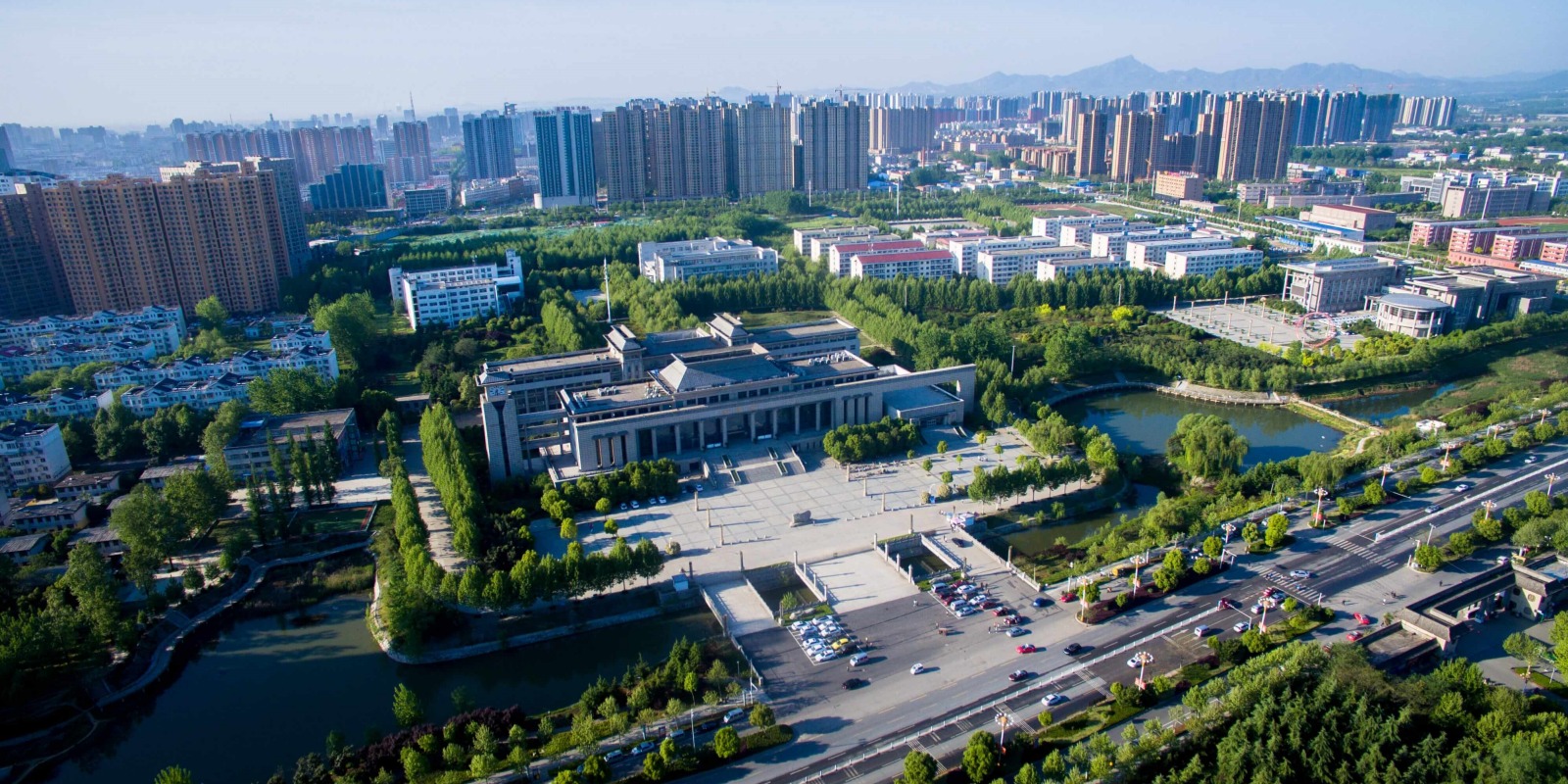
Innovation and entrepreneurship carry the same energy. Huanghuai is one of China’s first innovation-education model universities, runs a national maker space and sci-tech business incubator, and ten of its students have made the national list of top 100 college entrepreneurs. Its 27 provincial research platforms include key laboratories and international joint laboratories, and its civil engineering team was among the first national Huang Danian-style teaching teams. The campus spreads over about 184 hectares.
International doors opened early for a young school: exchanges with 20-plus universities abroad since 2005, 1,100-plus students sent overseas, and the Huanghuai-Mysore International Software Engineering College, listed in Henan’s Belt and Road education action plan. Master’s training runs jointly with four provincial universities, with nearly 400 graduates so far. For a university that has spent two decades proving that applied schools can lead rather than follow, the twelve forums are less a trophy than a promise kept.
Data Source: Huanghuai University Official Website