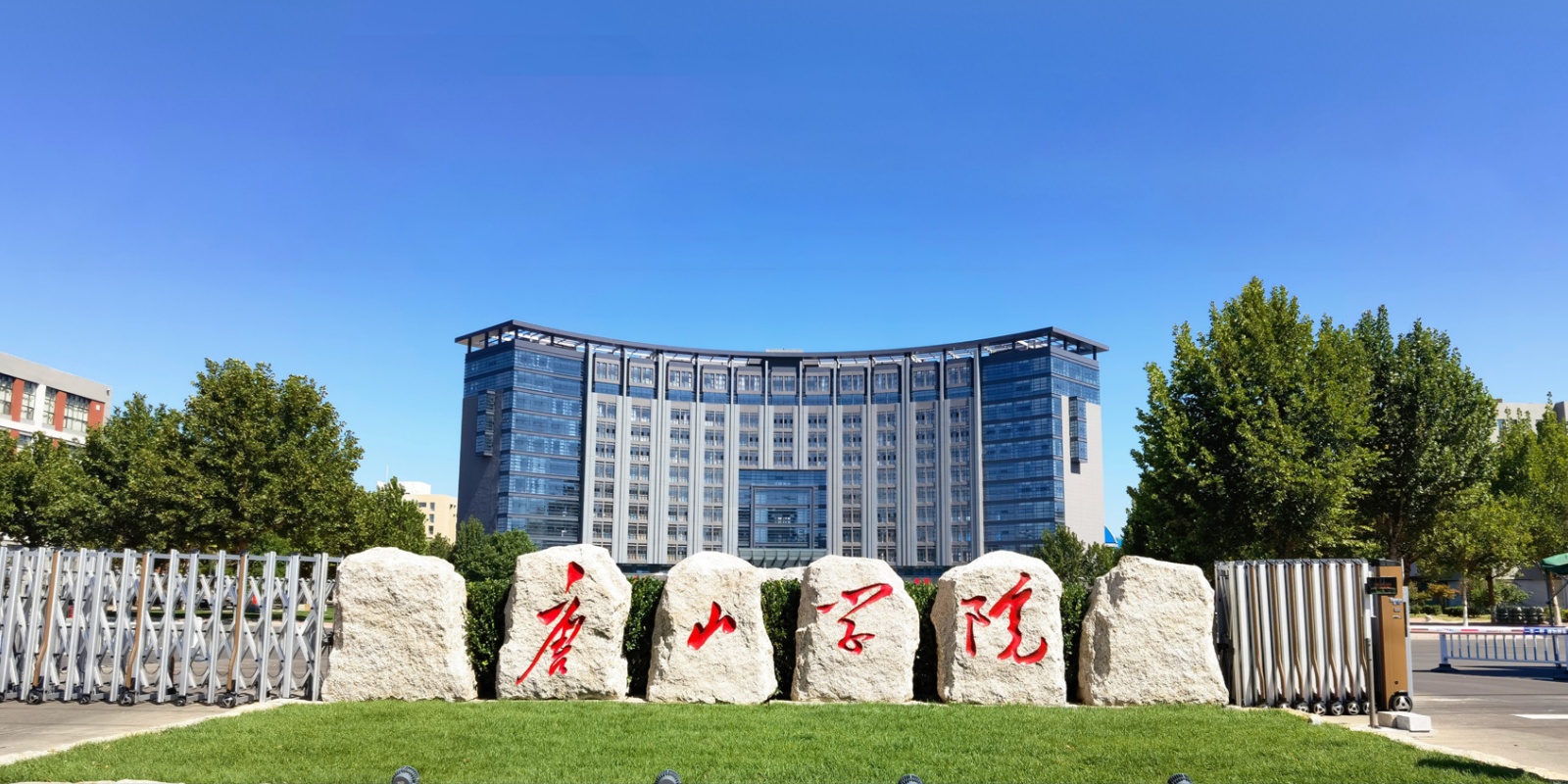
Tangshan University entered 2026 with two new credentials: in January it gained international-student enrollment qualification, and it won approval to build a joint college with Kazan State Power Engineering University of Russia. For a university that began in 1956 and took its current form only in 2002, the pace of the last few years has been unusually fast.
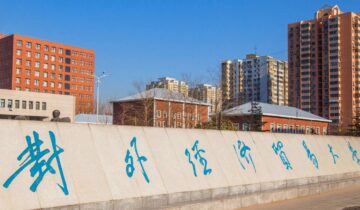
The present school is the product of mergers: Tangshan Junior College, a branch campus of Southwest Jiaotong University and the Tangshan Workers University were joined by the ministry in 2002, then a branch of Hebei University of Science and Technology and a foreign-trade school were folded in during 2014 and 2015. In late 2024 the university was approved as a master’s-degree cultivation unit.
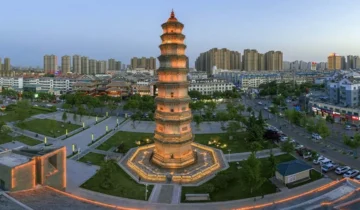
Tangshan itself is the setting: cradle of China’s modern industry, where the country’s earliest mechanized coal mines and cement works appeared, and now a national industry-education pilot city. The university fits the city: nearly all of its 55 undergraduate programs are applied-oriented, and 38 students have earned the Mao Yisheng Railway Star award, named for the celebrated bridge engineer.
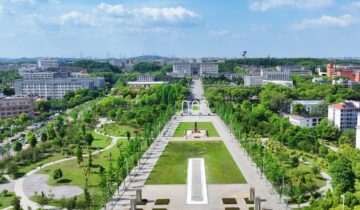
Some 19,000 full-time undergraduates, plus more than 3,100 continuing-education students, study across multiple campuses covering 1,512 mu, about 101 hectares. The faculty of 1,405 includes a faculty body in which 91 percent of full-time teachers hold doctoral or master’s degrees, and the school maintains 14 provincial first-class programs and three provincial key laboratories.
International ties follow the applied path: an undergraduate program in mechanical design and manufacturing with Moscow Power Engineering Institute, one in environmental design with the Academy of Fine Arts of Macerata in Italy, three overseas internship bases, and membership in Chinese-Russian university alliances, all now crowned by the planned Kazan college. Built from mergers, tuned to its industrial city, and only now opening its doors to the world, Tangshan University is a practical school for a place that has always made things.
Data Source: Tangshan University Official Website (as of 2026)