Huaibei Normal University once answered to a name that sounds odd today: Huaibei Coal Normal College, a school created under the national coal ministry to train teachers for the industry that built the city of Huaibei. The coal connection faded when the university took its present name in 2010, but the teaching mission did not: of its 130,000 graduates, more than 36,000 became schoolteachers, among them 1,100 principals.
The school opened in 1974 as a branch campus of Anhui Normal University, was chartered in 1978 as a coal-industry teachers college enrolling students nationwide, and gained master’s-degree rights in 2003. It entered the province’s doctoral-program cultivation list in 2009 and is today a key provincial comprehensive university.
Chemistry, materials science and ecology all sit in the ESI top 1 percent. Seventeen first-level master’s disciplines, fourteen professional master’s categories and eleven national first-class programs serve 19,500 undergraduates and 2,600 postgraduates. Twelve teacher-training programs have passed national second-level accreditation, and one engineering program holds professional accreditation.
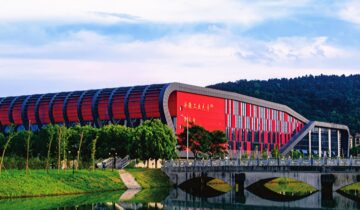
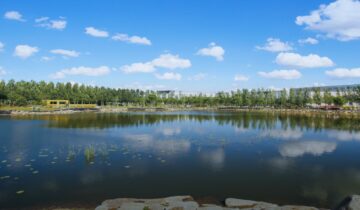
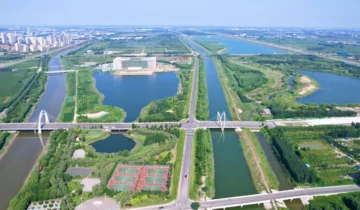
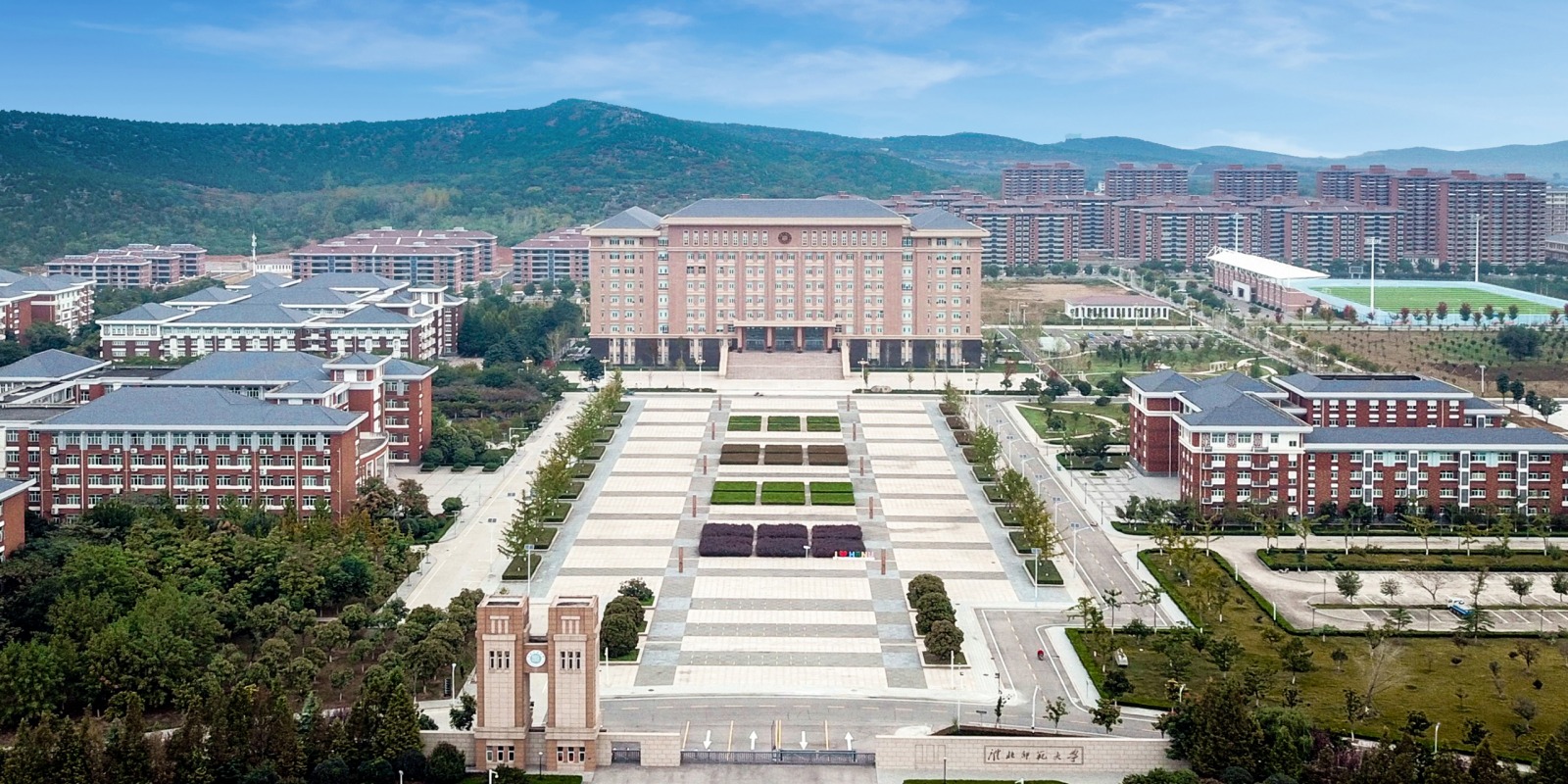
Two campuses of about 2,400 mu, some 160 hectares, house a ministry key laboratory and 23 provincial-and-ministerial platforms, including a provincial-level think tank for Grand Canal culture. The school has completed 85 national research projects and holds 579 patents.
Its 1,450 full-time teachers reach across borders: partnerships with 69 universities and institutions abroad, a Chinese-language promotion base at a Thai university, a China-Laos culture research center, and 84 international students from countries along the Belt and Road routes. From a coal-industry teachers college of 1978 to a comprehensive university with three global top-1-percent disciplines, Huaibei Normal University has built its reputation one classroom at a time.
Data Source: CHNU Official Website (as of 2026)