In 1971, the locomotive and rolling stock department of Shanghai Jiao Tong University and the railway engineering program of Tongji University were merged into a new institution and moved to Jiangxi under the name East China Jiaotong University. The two schools went their separate ways again in 1978, but the railway bloodline stayed in Nanchang, where the university still answers to the industry that created it.
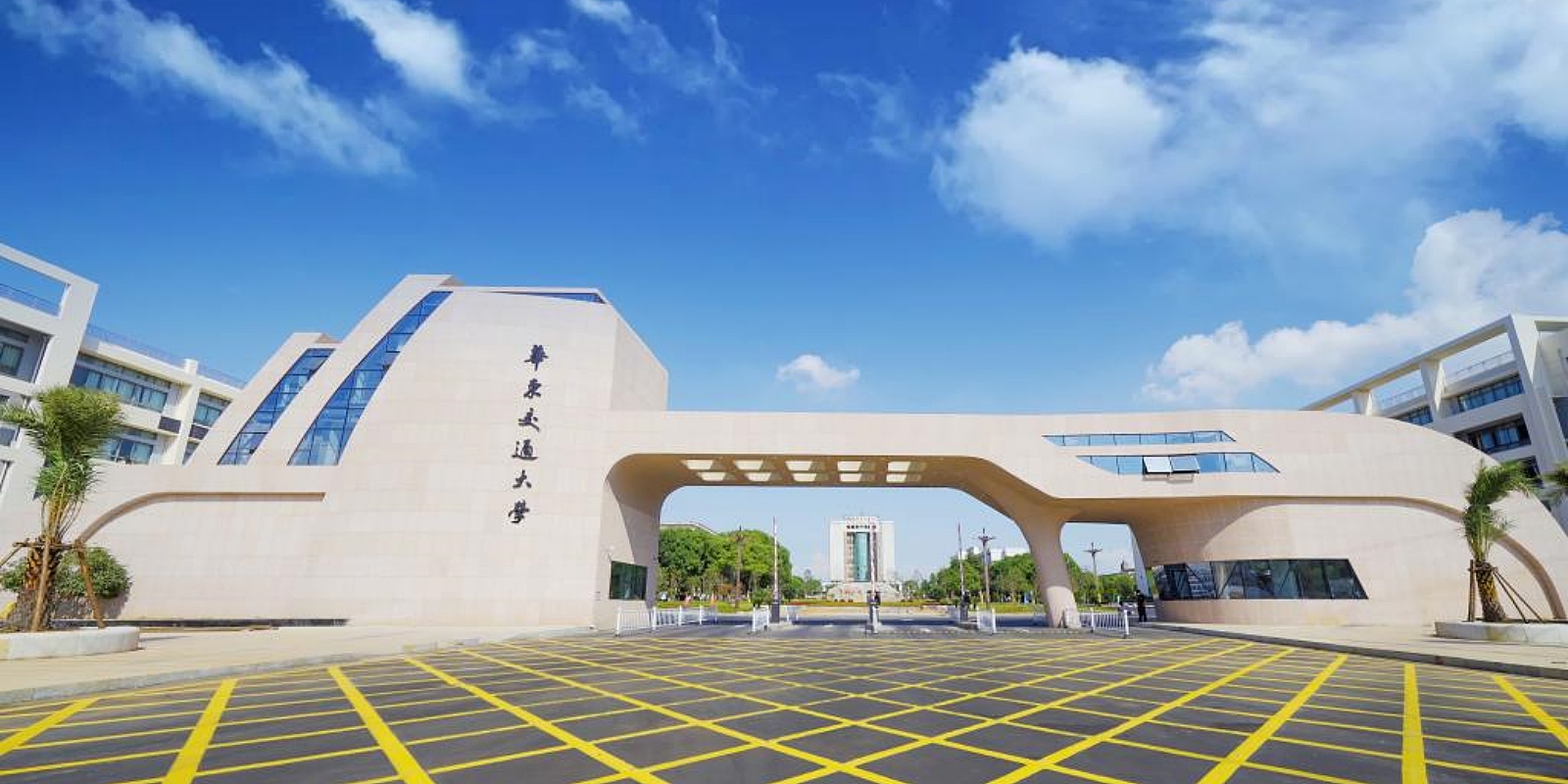
The school calls itself a transportation university with a railway core, and the industry bond is written into its charter: it is co-built with the national railway authorities under a double arrangement involving both the China State Railway Group and the National Railway Administration. It was run by the railway ministry until 2000, when it moved to joint central-provincial management with the province in the lead. Its campus covers 2,824 mu, some 188 hectares, in Nanchang.
Eight fields of study, four ESI global top 1 percent disciplines and four first-level doctoral programs support 55 undergraduate majors, of which 24 hold national first-class status. Engineering accreditation is the school’s signature: 16 accredited engineering programs, the highest pass rate of any university in the province, backed by 34 national first-class courses.
Teaching borrows names from the history of Chinese engineering: the school runs Zhan Tianyou classes, named for the father of China’s railways, and Mao Yisheng classes, named for its pioneering bridge engineer, plus the Tianyou college for exceptional students. It is also among the first four universities in Jiangxi approved to build an excellence engineering institute, and some 33,000 students are enrolled.
Research moves with the trains. The university holds a national key laboratory, 40-plus provincial-and-ministerial platforms, national science and technology awards at first and second class, and 1,500-plus invention patents, and it has completed more than 3,000 research projects in three years. Industry ties cover the whole sector, from CRCC, CRRC and China Railway Signal and Communication to the metro operators of Guangzhou, Nanchang, Dongguan, Nanning and Ningbo, and each year two in ten graduates join Fortune 500 companies, four in ten join state enterprises, and 85 percent work in fields related to their majors.
Fifty-five years after the merger that moved it south, East China Jiaotong University has grown from a relocated department into a university of 33,000 students whose name appears on railway and metro projects across China. The rails that carried it to Jiangxi still carry its identity: a school built on connection, in every sense.
Data Source: ECJTU Official Website (as of 2026)