In 2026, Jiangxi University of Science and Technology was approved to offer the world’s first rare earth undergraduate program, completing a pipeline that began in 1972 with its rare metal metallurgy major and now runs from bachelor to doctoral degrees. The school, known as the training ground of China’s rare earth science, holds more rare earth invention patents than any other university on earth, and its nickname, the rare earth academy, is no exaggeration.
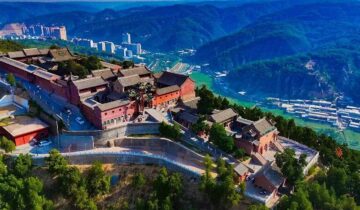
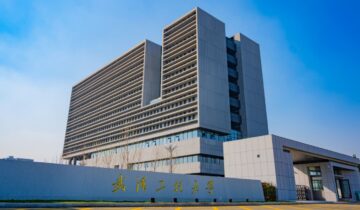
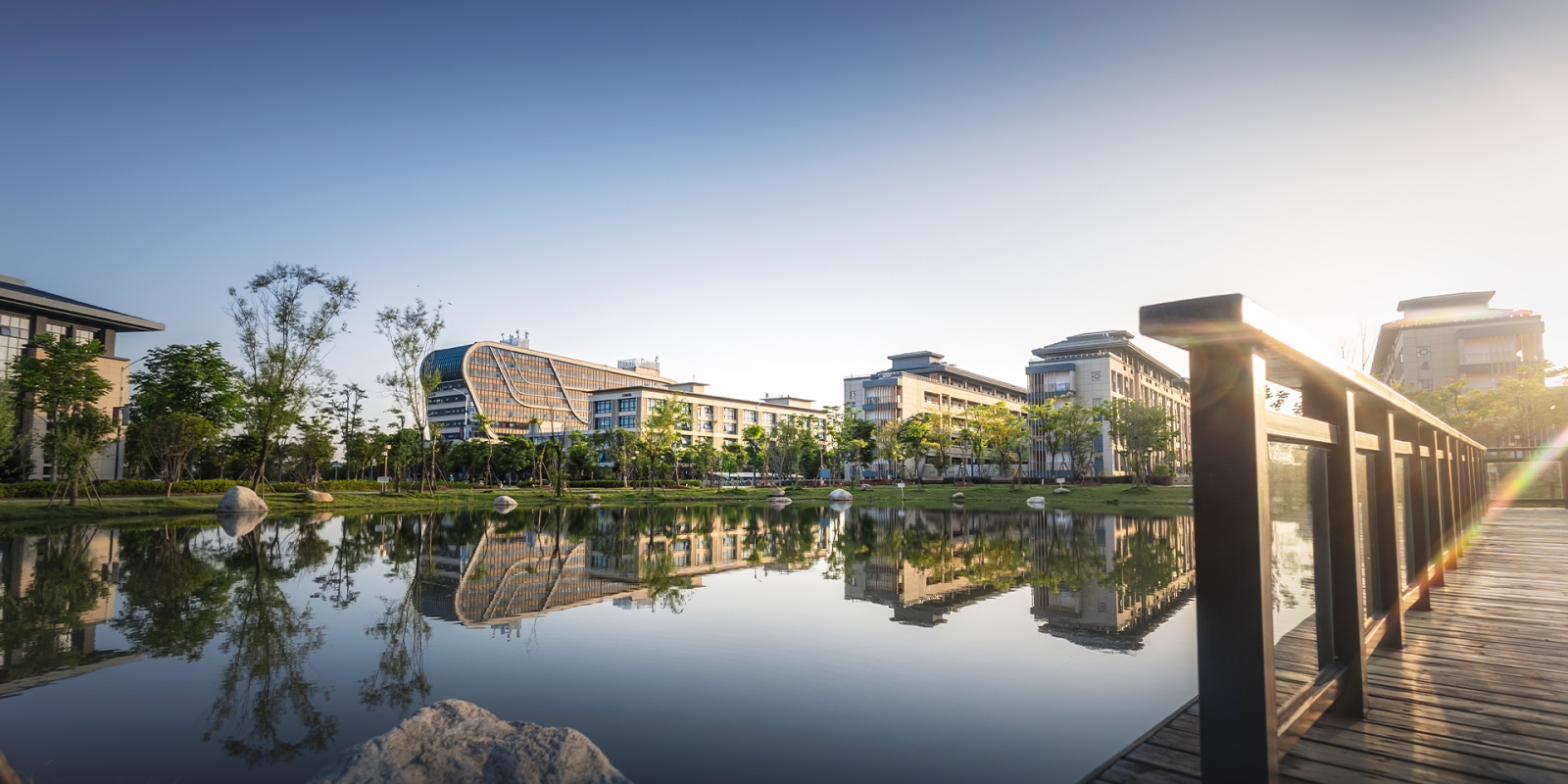
The university began in 1932 as an evening school for workers of the China Tungsten Company, passed through the hands of the tungsten mining bureau, and became an undergraduate metallurgy institute in 1958, answering in turn to the metallurgy ministry and the China Nonferrous Metals Industry Corporation. It took its present name in 2004, and since 2013 it has been co-built by the Jiangxi government with the industry and information technology ministry and the education ministry. Campuses in Ganzhou and Nanchang cover some 3,300 mu, about 220 hectares.
Seventy undergraduate programs, including 21 with national first-class status and 10 with engineering education accreditation, sit above three first-level doctoral disciplines, 22 master’s programs and five ESI global top 1 percent disciplines. Metallurgical engineering, mining engineering and materials science are the province’s first-class disciplines, and metallurgical engineering has been placed on the education ministry’s priority development list for its rare earth focus. Some 27,000 undergraduates and 6,000 postgraduates are enrolled.
Research is built around rare earths and critical minerals. Five national-level science platforms include a national rare earth functional materials innovation center, a national key laboratory for nonferrous metal structural materials and a national technology innovation center for rare earths, backed by the Gannan Laboratory, the province’s second provincial laboratory, and 28 more provincial platforms. Research funding has reached 1.5 billion yuan in five years, 3,340-plus patents have been granted, with rare earth invention patents ranking first in the world among universities, and the school has won seven second prizes in the national science and technology progress award since 2008.
Its faculty of 2,000-plus, including three academicians of the Chinese Academy of Engineering and 400-plus specialists named to national talent programs, serves a school with unusually deep industry ties: a copper industry college among the education ministry’s first modern industry colleges, joint doctoral training with China Rare Earth Group and Baowu, and, since 2026, a Sino-Australian smart manufacturing institute built with James Cook University, the first Sino-foreign institution in Jiangxi covering bachelor, master and doctoral levels, alongside a Confucius Institute in Pakistan and students from 34 countries.
Rare earth invention patents that lead the world, graduates numbering nearly 300,000, and a pipeline that runs from the first rare earth undergraduate major to doctoral degrees: not bad for a school that began as an evening class for tungsten miners in 1932. The tungsten lamp that lit the first classroom still burns, only brighter.
Data Source: JXUST Official Website (as of 2026)