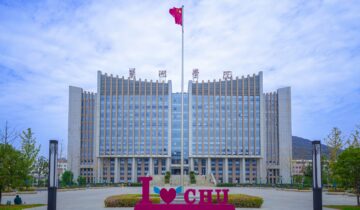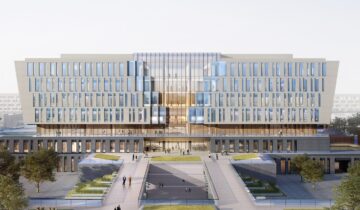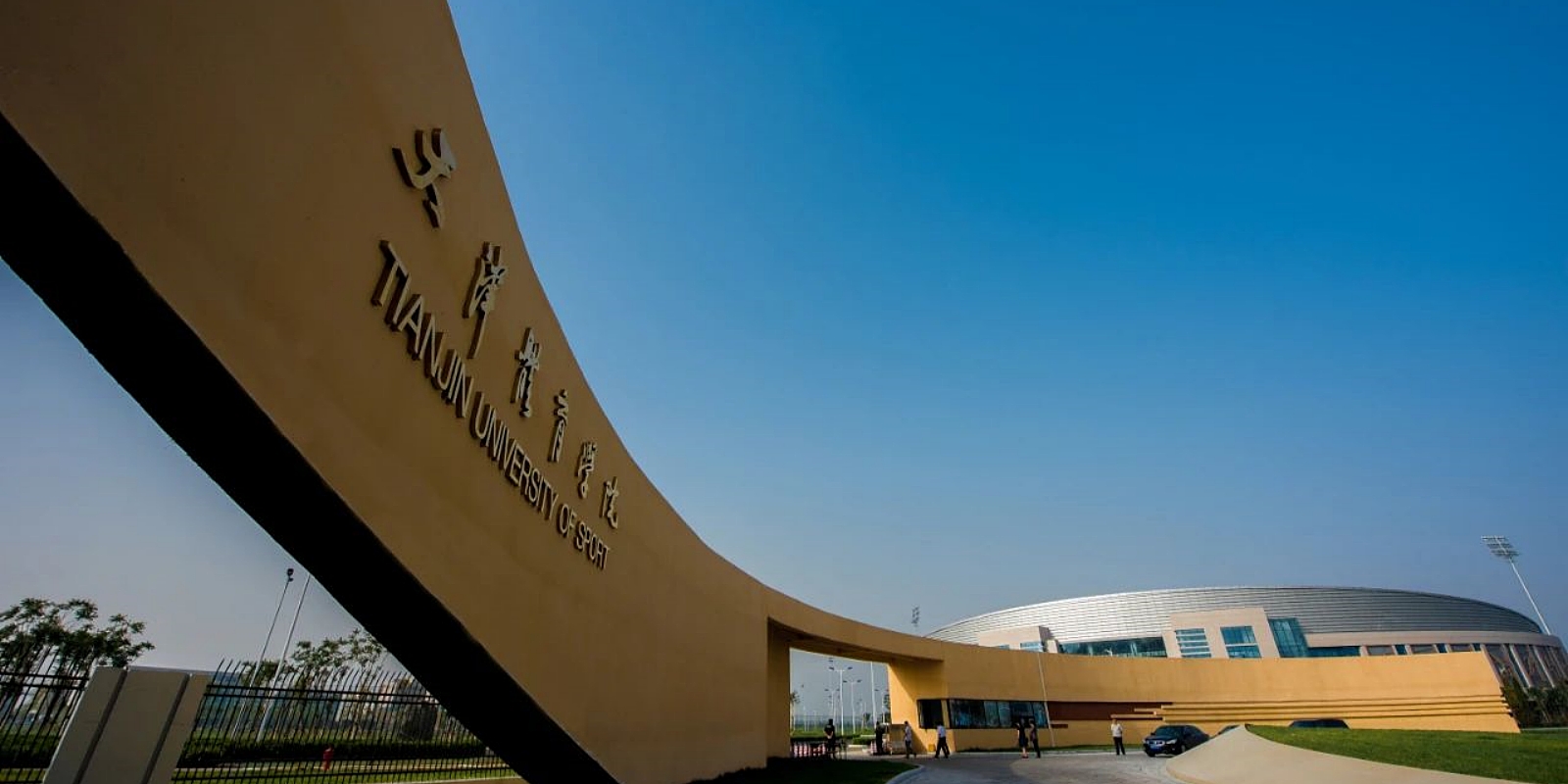
In September 1959, at the first National Games of the People’s Republic of China, a young institution from Tianjin took all three wrestling titles on offer, classical, freestyle and Chinese-style. The school behind that result, Tianjin University of Sport, had been founded only a year earlier, in August 1958, by merging the Tianjin Sports School with the physical education department of Shijiazhuang Normal College, in part to prepare athletes for those very Games. Wrestling, women’s diving, swimming, men’s basketball and baseball all ranked among the best in the country in those early years.
That competitive origin has shaped a university that now trains everyone from elite athletes to the coaches and researchers behind them. Tianjin University of Sport is a doctoral degree-granting institution, holding a first-level doctoral program in sport science and one of China’s first professional sport doctoral programs, alongside master’s programs in sport science, education and three professional fields. Its 22 undergraduate programs include 11 designated as national or municipal first-class program construction sites, and its roughly 7,400 students span bachelor’s, master’s, doctoral and international cohorts.
The faculty of about 600 is itself a roster of sports achievement, counting Olympic and world champions, international referees, national coaches among more than 120 leading experts. Research runs from a key laboratory of the General Administration of Sport for competitive sport psychology and physiological regulation to two Tianjin key laboratories and a national research base for sports humanities and social sciences.
The university runs two campuses, one in the Hexi district and a newer one at Tuanbo that opened in November 2017 and covers about 74 hectares. Its close ties to national sport bodies show in the academies it helped establish, including the China Volleyball Academy, the China Baseball Academy, the China Cricket Academy and the China Sports Dance Academy, and in the national breaking team training base it hosts. With the Tianjin sports bureau it also fields the city’s rowing, rugby, badminton and baseball teams.
Beyond the podium, the school shaped Chinese fitness itself: in 1995 it was the lead drafter of the Outline of the Nationwide Fitness Program, the first national fitness document ever issued by the State Council, a role that grew out of its early work in physical fitness surveys and youth health assessment. Internationally, it holds partnerships with more than 20 institutions, including Springfield College in the United States, University College Dublin, German Sport University Cologne and Yongin University in South Korea, with joint programs running at University College Dublin. It also hosts Tianjin’s first experience base for international students learning Chinese martial arts.
A school built for the nation’s first Games has spent the decades since keeping China in motion. Its research teams still work alongside national squads, from volleyball to track and field, and its staff still coach and condition athletes, but the same institution that produced championship wrestlers also helped write the fitness plan that got ordinary citizens moving. That arc, from the elite podium to public health, is the university’s throughline.
Data Source: TJUS Official Website (as of 2026)