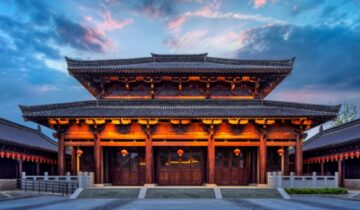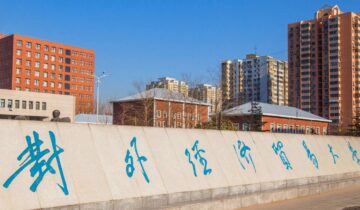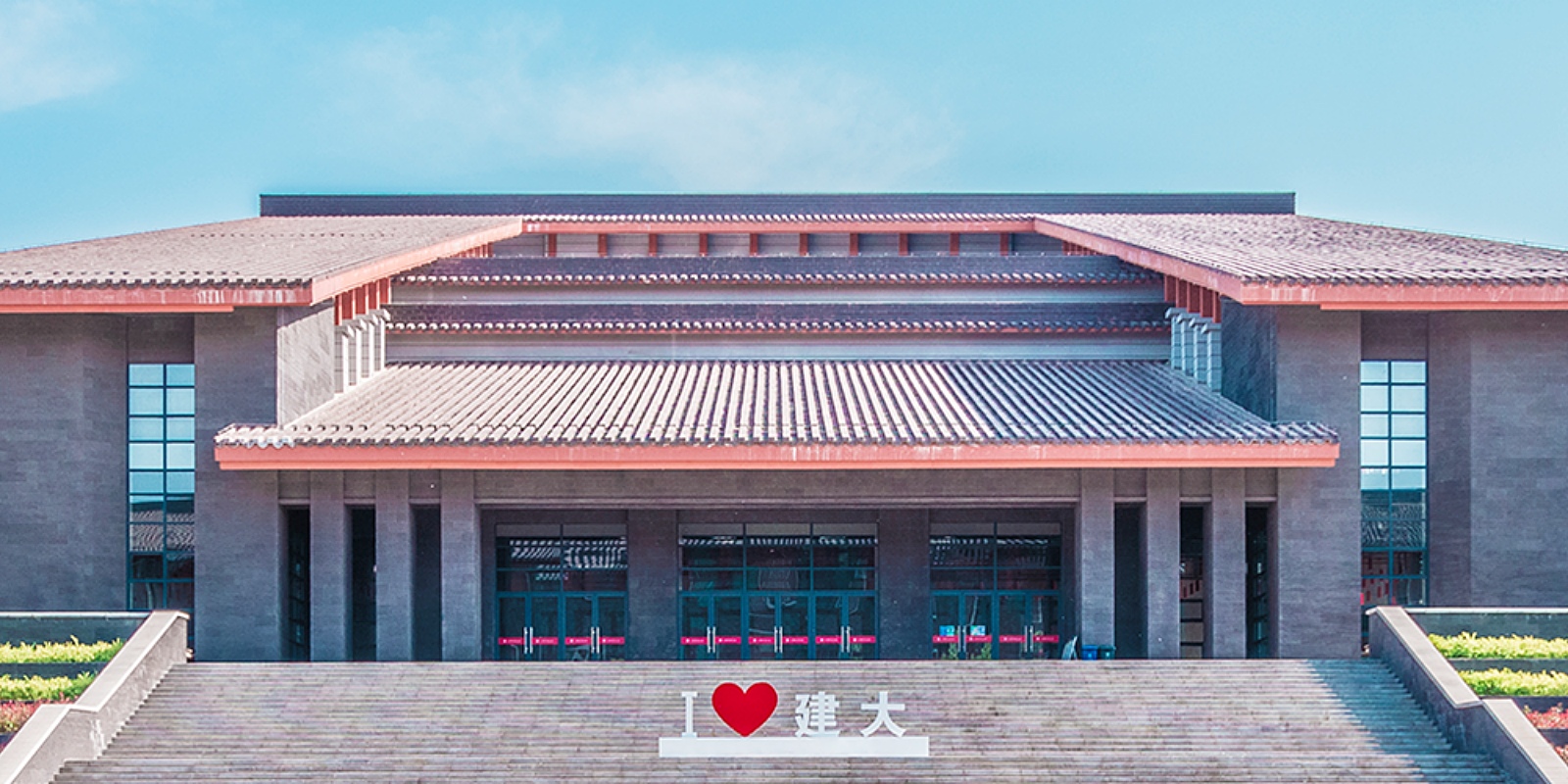
When China reshuffled its engineering schools in 1956, the civil engineering and architecture departments of four universities, from Shenyang, Xi’an, Qingdao and the Jiangnan region, were pulled together in Xi’an to form one new school. The result, today’s Xi’an University of Architecture and Technology, is one of the country’s “old eight” architecture schools, and its lineage reaches back further still, to the Tientsin Western Studies Academy founded in 1895.
Born as the Xi’an Institute of Architectural Engineering, renamed several times through the 1960s, and settled on its present name in 1994, the university spent most of its life under the old metallurgy ministry before passing to Shaanxi province in 1998. Its subject matter was set by that history: architecture, civil engineering and environmental engineering remain its core, with materials and metallurgy close behind.
The scale is formidable: 22 colleges, 69 undergraduate programs, 13 doctoral programs, and a student body of about 33,000, including 2,000 doctoral students. Three disciplines, architecture, civil engineering and environmental science, have broken through in recent national assessments, and the architecture and built-environment field ranks 138th in the QS world subject ranking.
Research is anchored by a national key laboratory for green buildings, the only one of its kind in China, alongside a national-local joint engineering center and two others at the same level. Since 2010 the university has won two second prizes in the national technology invention awards and ten second prizes in the national science and technology progress awards, and its students have taken the top prize three times in the UIA international architecture student competition.
Six disciplines, from engineering to chemistry and biology, rank in the ESI global top 1 percent, with engineering inside the top 0.6 per mille. The faculty of more than 2,200 full-time teachers includes three academicians in residence and 13 alumni-academicians, and the university has sent about 350,000 graduates into the building and urban-planning professions.
The Silk Road alliance of architecture universities, which this school took the lead in founding, now links more than 100 universities in 30-plus countries, carrying a tradition of building that began in 1895 back along the very routes its name invokes.
Data Source: XAUAT Official Website (as of 2026)