It has been a public university only since 2021, one of the youngest in Jiangxi, and it sits in Fuzhou, a city whose old name, Linchuan, still labels its culture: the region has long called itself the land of scholars. The college was born when its predecessor, a branch campus of East China University of Technology, was converted to an independent public institution, giving Jiangxi a new school with a working university’s machinery already in place.
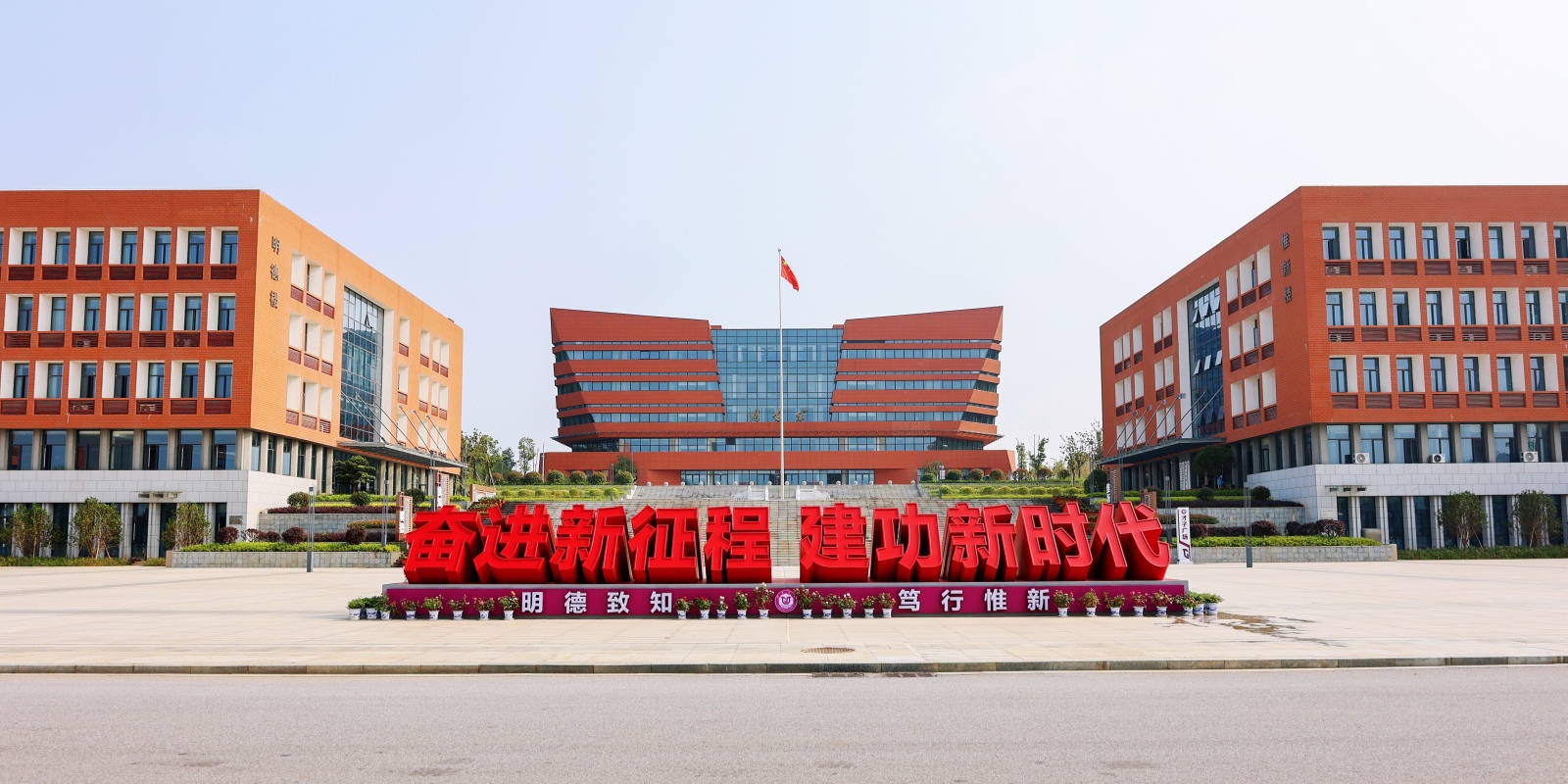
The conversion was approved in January 2021 and the college admitted its first students that September. Its campus covers 1,300 mu, about 87 hectares, with a library of 360,000 printed volumes, and it now enrolls 8,077 full-time students across five colleges.
Thirty-five undergraduate programs span eight fields, with 21 of its 35 programs in science and engineering, and the curriculum is built around two signature directions: intelligent manufacturing for the region’s industries, and Linchuan culture for the city’s heritage, carried by a provincial Linchuan culture research center. A faculty of 374, 99 percent of them holding master’s or doctoral degrees and 51 percent dual-qualified for applied teaching, backs the plan.
International ties are modest but real: foreign teachers from the United States, Japan, New Zealand and South Africa, credit-transfer programs with universities in Japan, Cyprus and Ireland, and student exchange schemes with institutions in Malaysia, Thailand and Cyprus. The college also joins its parent university in a Confucius Institute partnership in Nepal.
Five years old and still filling in its own map, Gandong College has chosen its direction early: intelligent manufacturing for the local economy, and Linchuan culture for the soul, a two-track plan that could make the youngest public university in Jiangxi also one of the most deeply rooted.
Data Source: GDC Official Website (as of 2026)