Black for coal, white for cotton: the two colors that built Henan University of Engineering. The Zhengzhou school calls this its “one black, one white” heritage, and its roots run through both coal and textiles, the two industrial worlds whose ministries once owned its predecessor schools. To that double foundation it has since added a third element, industrial software, making it an unusual triple.
The lineage began in 1910 with a provincial industrial school, and its modern form dates to a merger of the Zhengzhou Economic Management Cadre College and the Henan Textile College. Both parent institutions had belonged to central ministries, coal and textiles respectively, and their graduates had long filled the mines and mills of central China. Among the school’s celebrated alumni is General Yang Jingyu, a hero of the anti-Japanese resistance.
Today 24 teaching units run 66 undergraduate programs, with two national first-class programs and a strong engineering core. The newest distinctive feature is software: the industrial software college and a provincial model software school place the university among Henan’s first three pilots for new-model industry colleges, and its programs cluster around electronics, materials, intelligent manufacturing and civil engineering.
Research carries the double-industry theme into the present. A provincial key laboratory, two international joint laboratories and 30 provincial platforms support work that has earned a second-class National Science and Technology Progress Award and produced 34 national and industry standards. More than 1,000 provincial-or-higher projects include major national research programs, with 430 million yuan in research funding on record.
Industry links run wide and deep. Thirteen industry colleges work with coal and textile leaders such as Henan Energy and Chemical Group, China Pingmei Shenma Group and Xinxiang Bailu Group, and partnerships with 30-plus universities abroad, from Australia’s University of Wollongong to Britain’s De Montfort University, extend the network internationally.
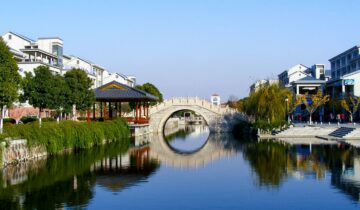
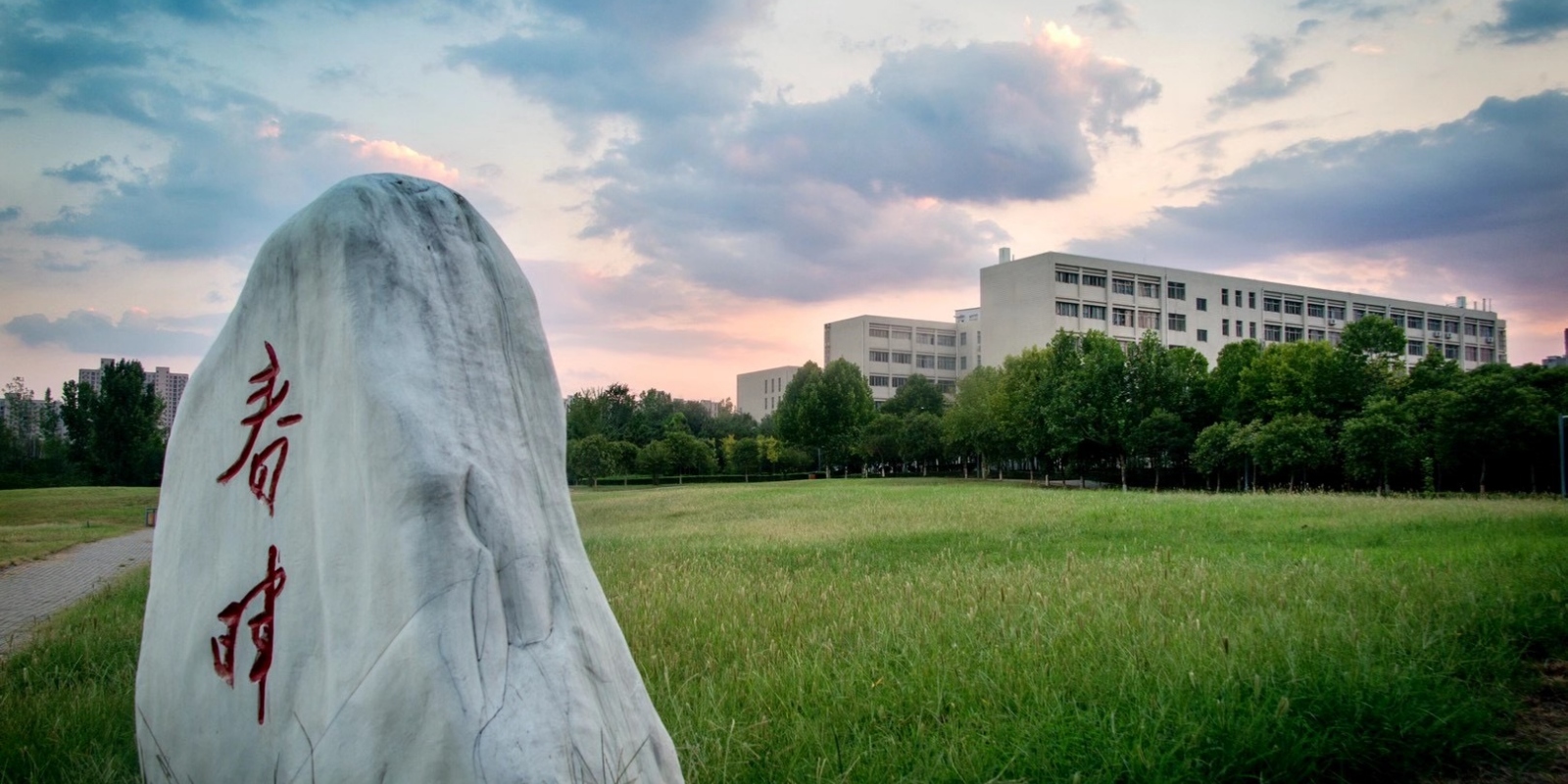
Three campuses cover about 174 hectares, teaching staff number over 1,800, and in recent years more than 23 percent of graduates have gone on to master’s study. The campus even keeps a memorial garden called the black-and-white industrial history park, a quiet tribute to the two industries that built the school. The coal and the cotton are still in the machine, and the university that once supplied mines and mills now supplies the software that runs them.
Data Source: HAUE Official Website (as of 2026)