The city of Xiaogan owes its name to a Han-dynasty tale of filial devotion: Dong Yong, the story goes, sold himself into servitude to raise money to bury his father, and heaven was so moved that the place became known as Xiaogan, “moved by filial piety.” A university has been growing in that city for more than 80 years, and it has made the virtue its signature. Hubei Engineering University has built an entire research field around filial culture, with its journal column on the subject listed among the Ministry of Education’s famous columns.
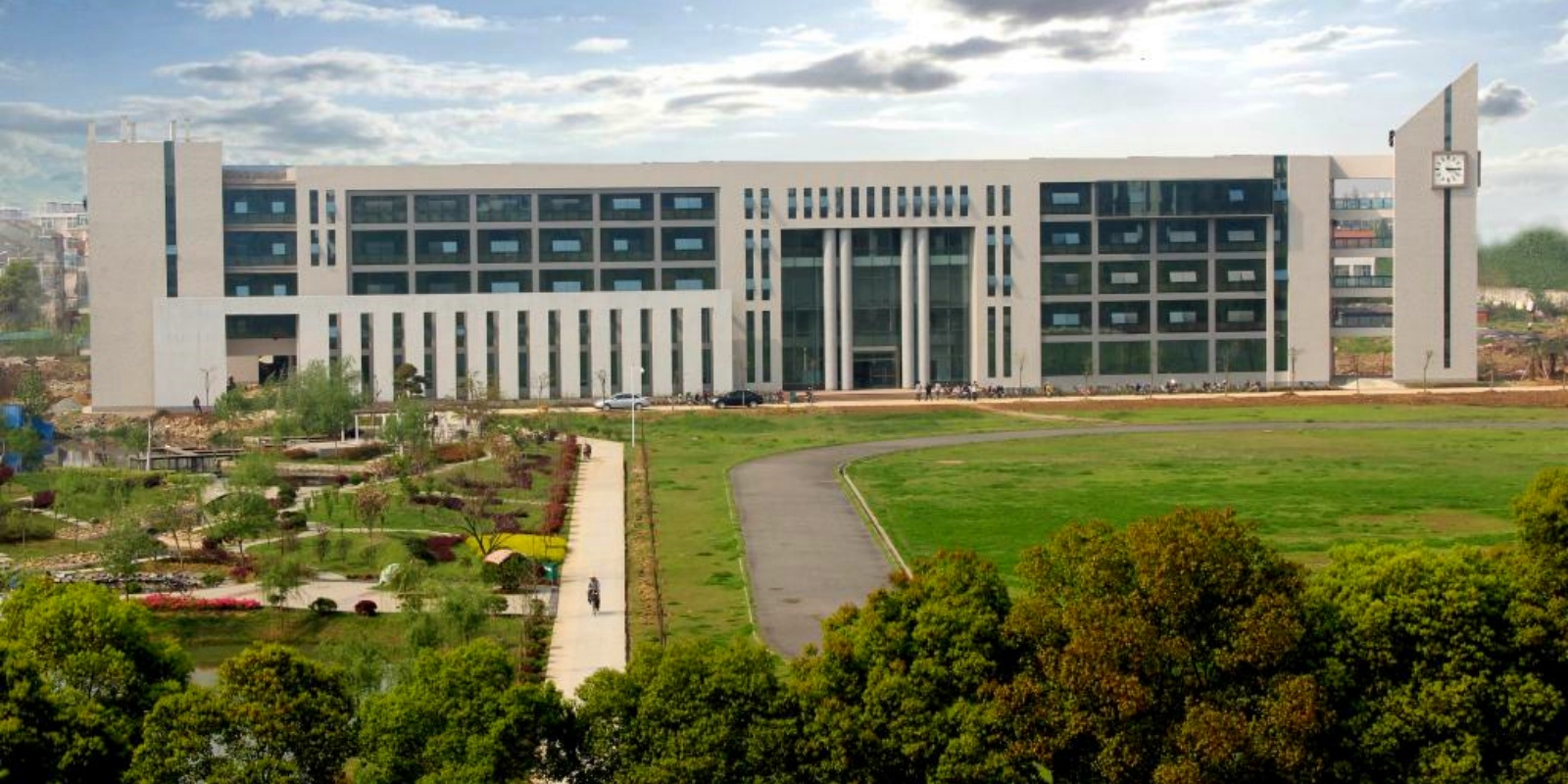
The school began in 1943 as the Third Provincial Normal School of Hubei, one of the wartime teacher-training colleges that kept education alive in the region. It later became the Xiaogan Normal College, then Xiaogan University, before taking its present name as the scope of the institution widened. In 2025 it was approved as a master’s degree-granting institution, a step that capped 80-plus years of development and opened the school to postgraduate education for the first time. Its single campus covers about 117 hectares, with buildings totaling 675,000 square meters.
The academic profile has kept pace with the name. Nine fields, from engineering and agriculture to education and the arts, are taught through 54 undergraduate programs across 16 schools, with four programs on the national first-class list and 23 more on the provincial list. Five disciplines rank as provincial key subjects, and engineering and chemistry have both entered the top 1 percent of the ESI rankings. Behind the undergraduate base sits the new graduate school, plus the research column on filial culture that gives the university its distinctive voice.
Research follows the region’s needs. It runs 33 national and provincial platforms and 23 in-house research institutes, including centers for paper hygiene products, Xiaogan’s famous rice wine and maltose candy, and the revival of ancient bamboo-slip culture. In the past five years it has won 22 projects from the national science and social science funds, published upwards of 1,400 papers in high-impact journals, including Science and Nature sub-journals, and registered 949 patents and software copyrights, with technology transfer rates among the highest in the province.
The human scale is modest but solid: 17,778 students, a faculty of 1,447 with 385 doctorates, and an employment rate above 93 percent. The university cooperates with some 20 institutions abroad and teaches international students from a dozen-plus countries, with a finance engineering program run jointly with the University of Wolverhampton in Britain. A city named for a virtue deserves a school that honors the name, and this one has built its reputation the same way its namesake legend did, one careful, honest act at a time.
Data Source: HBEU Official Website