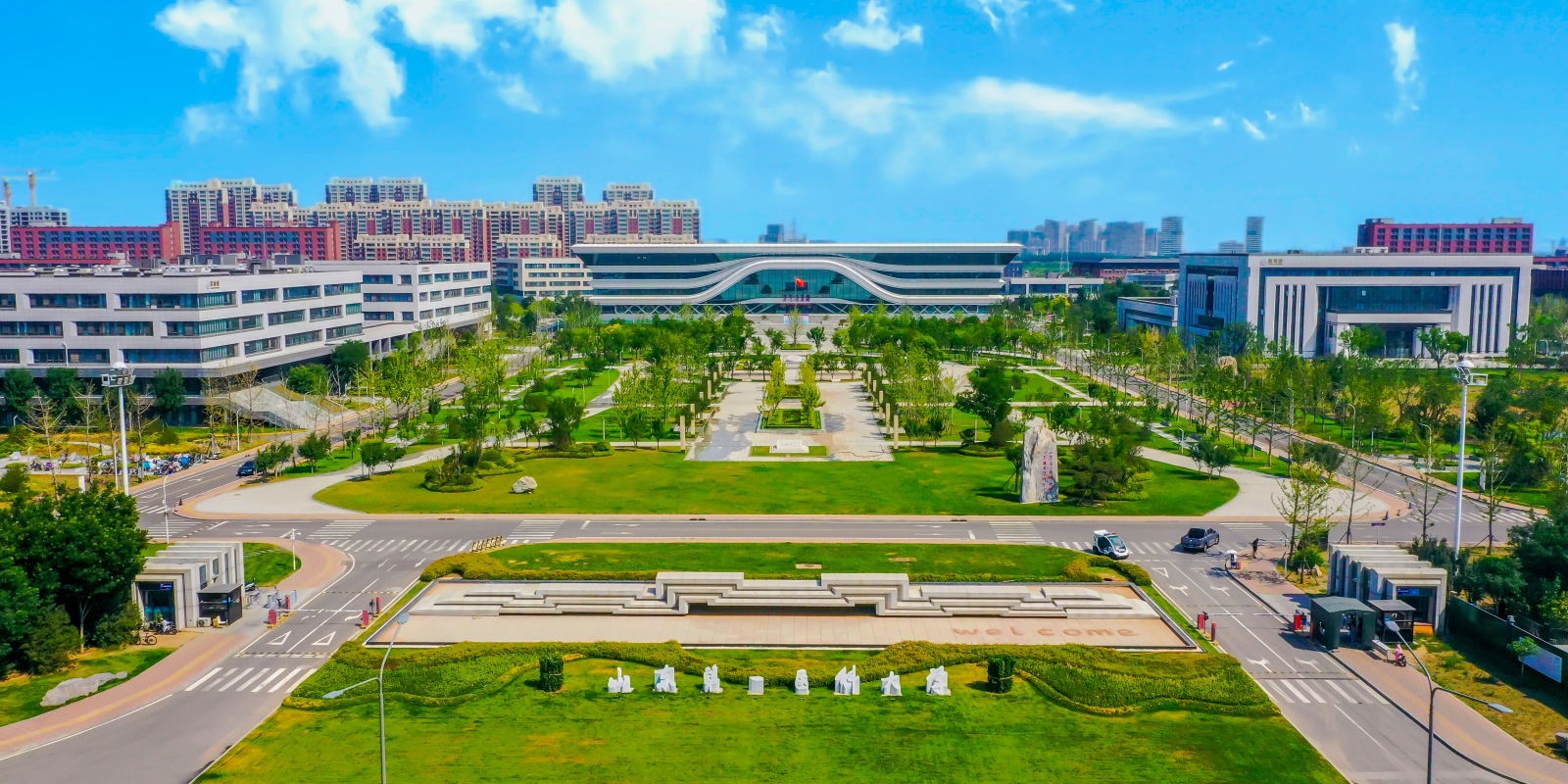
Four infectious diseases once ravaged the plains of Shandong: kala-azar, filariasis, malaria and leprosy. Over the 1950s to the 1990s, researchers from this university’s forerunners helped make the province the first in China to essentially eliminate all four, an achievement the World Health Organization called “China’s successful experience.” That record of public-health triumph anchors Shandong First Medical University, created in 2019 by merging the provincial academy of medical sciences, a medical university in Tai’an and two of the province’s largest hospitals.
Its deeper roots reach back to 1915, when a provincial medical training institute opened in Jinan, giving the university a century-long medical lineage. The modern campus network spans both sides of the province: Jinan, on the banks of the Yellow River at the core of the Jinan International Medical Center, and Tai’an, below Mount Tai, with research outposts in Qingdao and Jining.
Eleven disciplines sit in the ESI global top 1 percent, with clinical medicine in the top 0.66 per mille of the world ranking. The university holds three doctoral programs and 20 master’s programs, counts 28 national and provincial first-class programs at undergraduate level, and runs the largest hospital system in provincial hands: 13 directly affiliated hospitals, 17 of them top-tier, with 32 national key clinical specialties.
Research has produced a national natural science award for the immunogenetic mechanisms of leprosy, a national technology invention award for corneal replacement products, and eight national science and technology progress awards in oncology and related fields. Advanced drug delivery systems, a national key laboratory, and a ministry-state key laboratory for ophthalmology anchor more than 60 provincial-or-higher platforms, including a biosafety level-3 laboratory for non-human primates and a new brain-computer interface clinical center.
The hospital group is where the science reaches patients. Its proton therapy system treats more patients per day than any other such facility in the world, its affiliated eye institute’s bioengineered corneas have solved the donor problem behind most corneal blindness in China, and its first affiliated hospital holds licenses for five kinds of organ transplants. The whole system serves about 40 million outpatient visits a year.
International reach started early: SDFMU has enrolled degree students from abroad since 2004 and now counts students from 50-plus countries, with partnerships in 40-plus countries and regions. It hosts a WHO collaborating center for lymphatic filariasis and taeniasis and cysticercosis, and its leprosy-control know-how has been shared along the Belt and Road.
A workforce of more than 21,000 faculty and medical staff, with three full-time academicians and 74 national-level talents, supports 27,000-plus full-time students across campuses that cover about 400 hectares. A century ago the university’s predecessors fought four scourges with public hygiene campaigns; today they fight cancer with protons and restore sight with engineered corneas, and the healing mission has only widened.
Data Source: SDFMU Official Website (as of 2026)