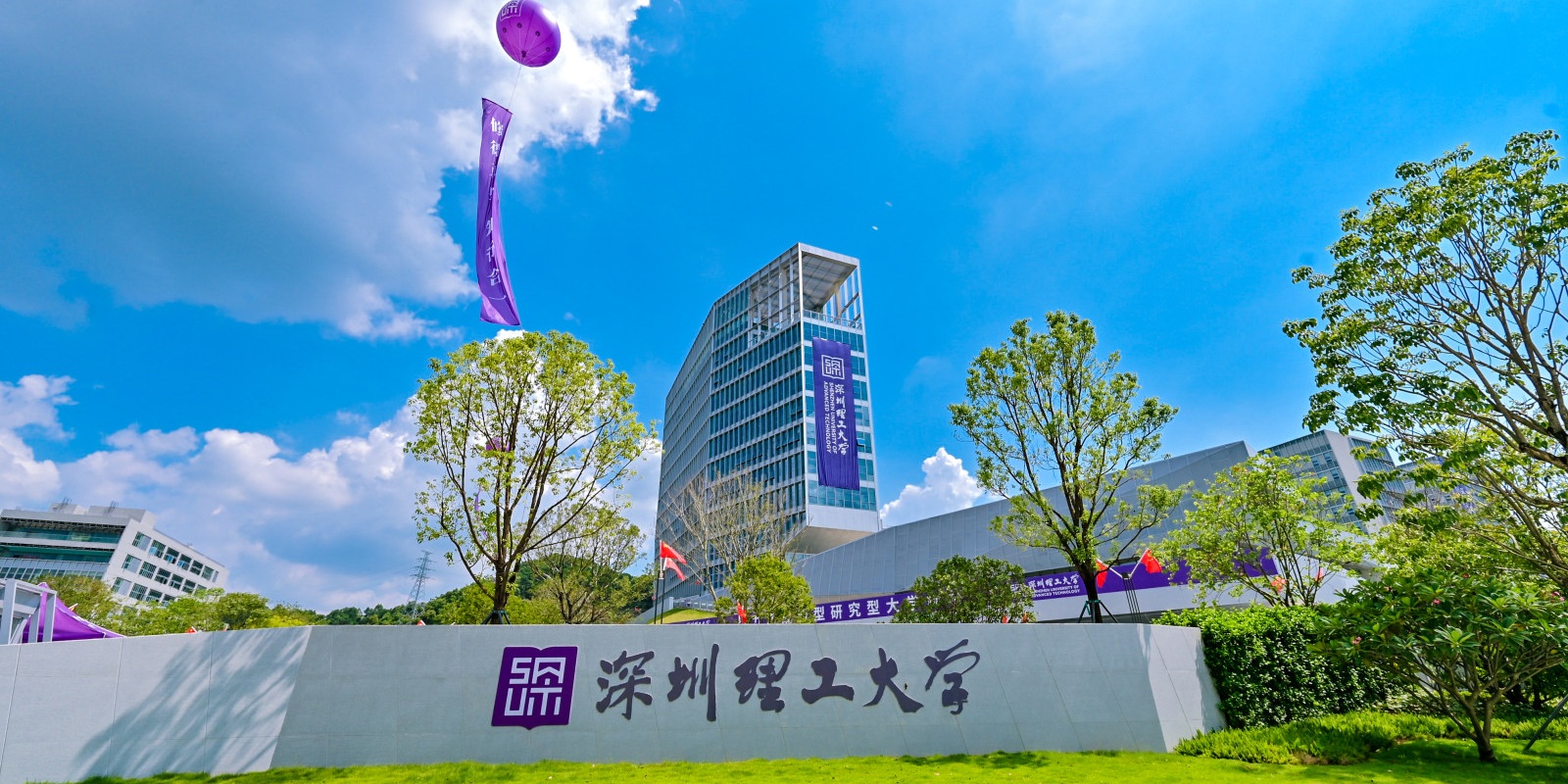
China’s newest research university opened with seven colleges and no history at all. Shenzhen University of Advanced Technology, approved by the Ministry of Education in May 2024, is a public university run by the city of Shenzhen with a deliberately compact design: small in scale, research-led and international, built on the model of the world’s best science and technology universities.
What it lacks in history it makes up in backing. The university is built on the resources of the Shenzhen Institute of Advanced Technology of the Chinese Academy of Sciences, one of the country’s most productive research centers, and the connection runs through every level of its design, from faculty to laboratories to the companies that spin out of its research.
Its first colleges are arranged around interdisciplinary frontiers: life and health, synthetic biology, computer science and control, biomedical engineering, materials and energy, pharmacy, and computing and microelectronics. The university calls its method educating through three academies at once, mixing research, industry and classroom training in a single track.
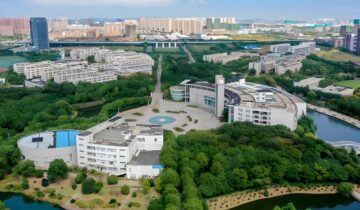
Students live in three residential colleges named for Shenzhen’s reform pioneers, and a cluster of research institutes, from cell and gene technology to future agriculture and artificial intelligence, gives the compact campus room to grow.
The stated products of the system are three kinds of people: scientists, exceptional engineers and innovative entrepreneurs. With no legacy departments to defend, the curriculum can treat disciplines as instruments rather than territories.
The first cohorts will graduate into industries that barely existed when the campus opened, and a university that promised to be judged on its science, not its age, will finally have evidence. Until then, the seven colleges keep building toward the bet Shenzhen placed in 2024.
Data Source: SUAT Official Website (as of 2025)