China’s food system has a university behind it. Wuhan Polytechnic University was founded in 1951 as the country’s first school devoted to training talent for the grain industry, and six decades later it still runs along the same food supply chain: grain storage, oil and fat processing, animal feed, and the modern food industry all have departments, laboratories, and museums on its campus. Few universities anywhere are so completely organized around what people eat.
The lineage is stamped on its history. The school answered to the Ministry of Grain at its founding, moved through the commerce and internal-trade ministries as China’s food system was reorganized, and since 1998 has been jointly managed by the central and provincial governments, with the National Food and Strategic Reserves Administration as a partner in its construction. That institutional memory gives its research a direct line into national policy on food security.
The distinguishing claim is a museum: the China Oils and Fats Museum, the only one of its kind in the country, where visitors can trace how edible oil has been pressed, traded, and consumed across Chinese history. Around it sit the disciplines that made the school’s name. Its feed engineering program holds an A+ rating and has been ranked first in China for three consecutive years. Food science and engineering ranks among the world’s top 100 in the ShanghaiRanking subject list, and five subject areas (agricultural sciences, clinical medicine, chemistry, engineering, and plant and animal science) sit in the ESI global top 1 percent.
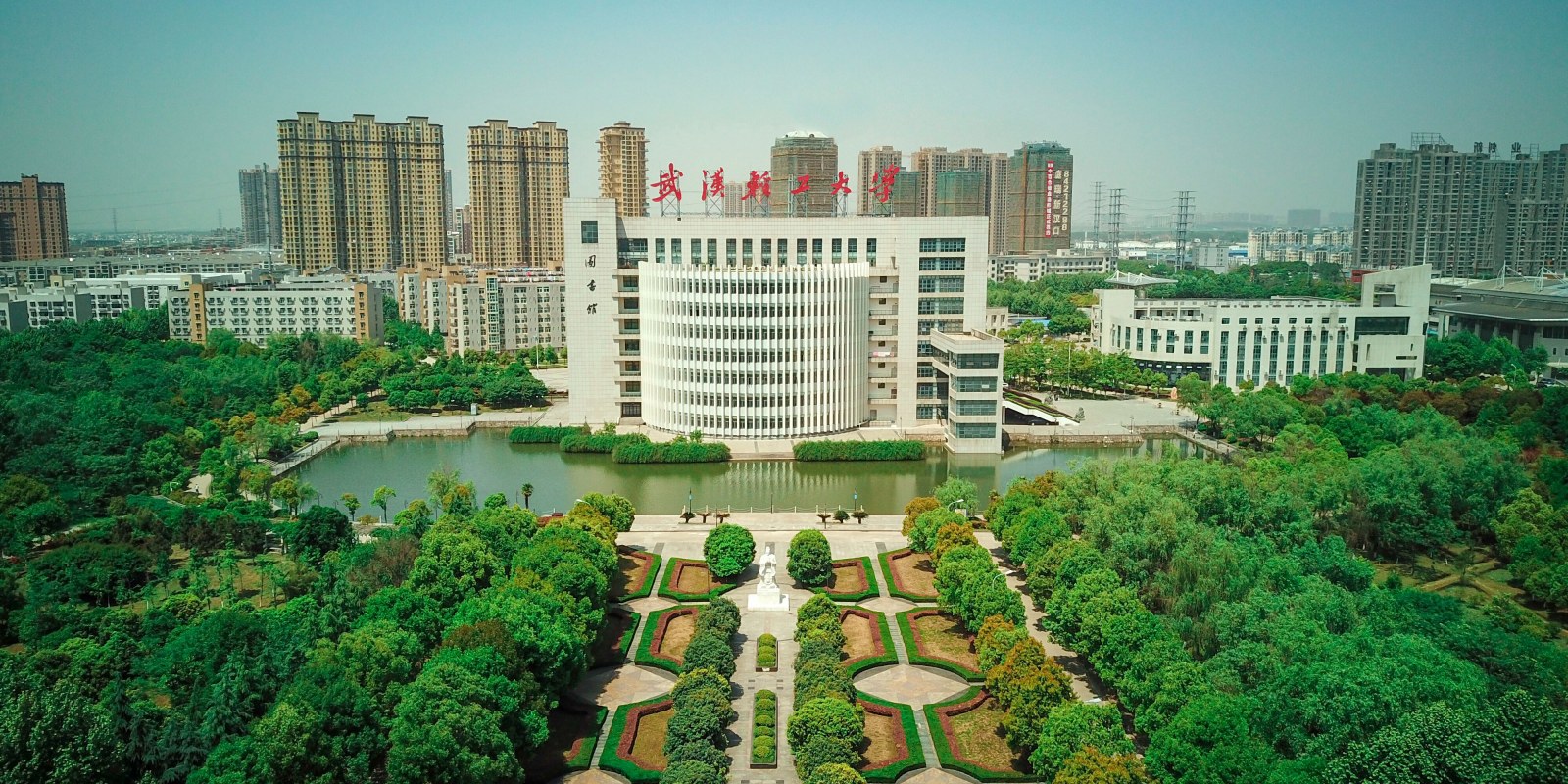
The scale is modest for a school with this reach. Sixty-nine undergraduate programs (57 enrolling students) are supported by one doctoral program and 14 master’s programs, with 94 research platforms, two of them at national level. The faculty of more than 1,400 includes over 900 with doctorates. The university’s 610,000 square meters of buildings include a library holding 2.2 million print volumes: a resource base that has grown around the grain, feed, and aquatic-products industries it serves.
The research record is built on solving practical problems: upwards of 2,300 research projects in recent years, including 480-plus funded at national level, along with 1,400-plus invention patents and six second prizes in the National Science and Technology Progress Awards. In 2025 its rate of technology transfer within the province ranked first among Hubei’s provincial universities, and it has gathered 24 leading companies into a “Qingyou Preferred” brand cluster to develop products together, a working model in which industry poses the problem and the university supplies the answer.
Internationally, the university cooperates with 100-plus universities and institutions across over 20 countries and enrolls international students at bachelor’s and master’s levels. From a 1951 school for grain-industry talent to a university whose campus holds the country’s only oils-and-fats museum, Wuhan Polytechnic University has spent 75 years making itself indispensable to the food supply chain — one discipline, one laboratory, one patent at a time.
Data Source: WHPU Official Website (as of 2026)