Three very different schools, a normal college, a medical college and an agricultural college, were welded together in 2000 to form Yichun University, and all three trades have stayed alive since: today it runs a new energy industry college among the first batch of provincial key modern industry colleges, researches beauty medicine and two-line hybrid rice at a level the province rates as advanced, and still sends teachers into classrooms across western Jiangxi.
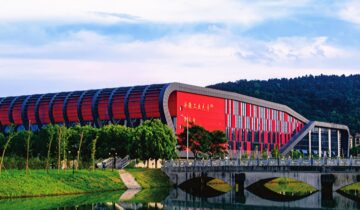
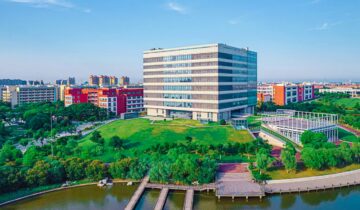
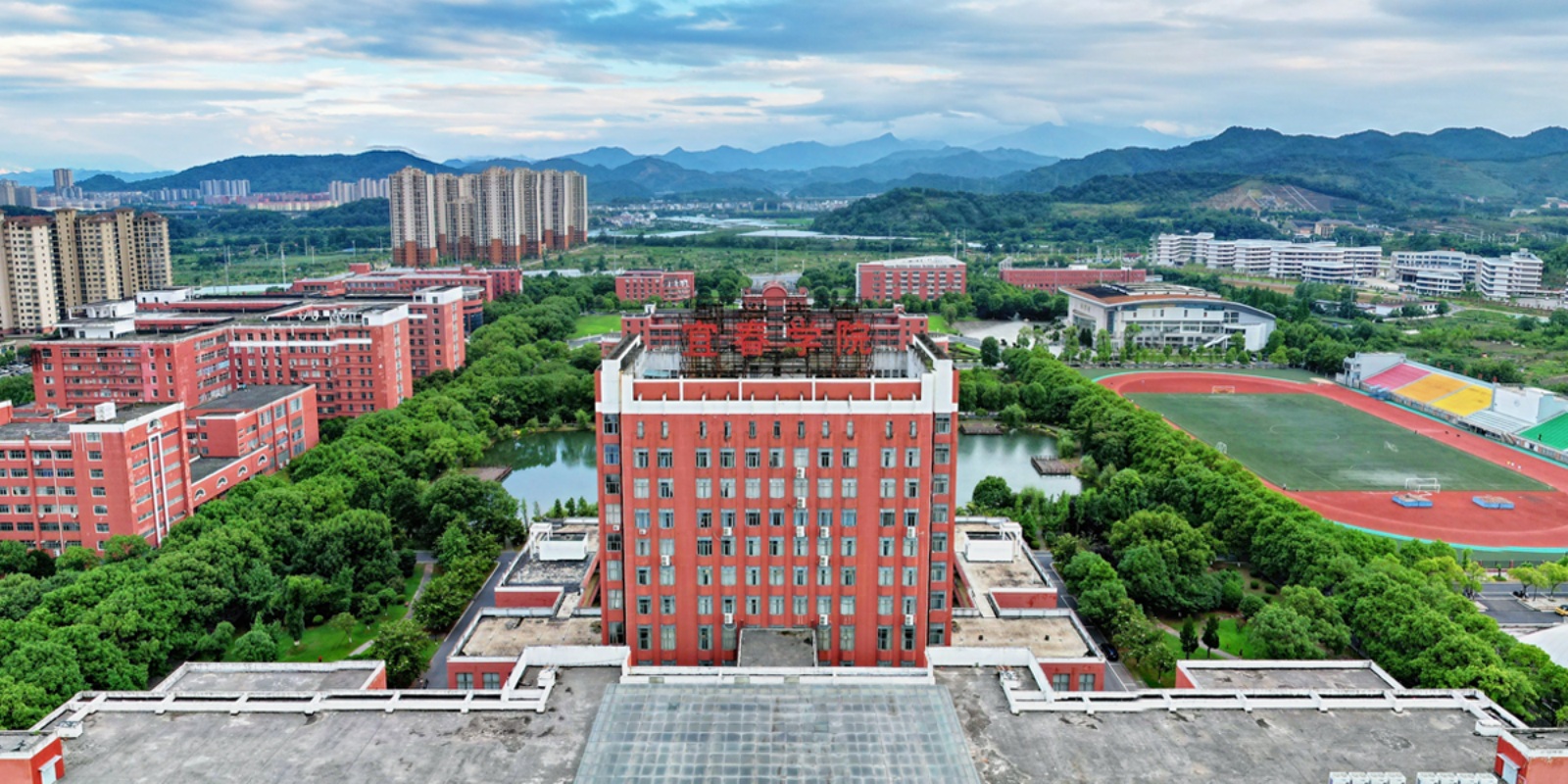
The city’s first university, Yichun University, was founded in 1958, and the present institution was created in January 2000 when the ministry of education approved the merger of the four schools. It began master’s-level training in 2011 under a special national program, and in 2021 entered the province’s key list of master’s-degree cultivation units. Three campuses cover more than 2,000 mu, about 134 hectares.
Sixty-eight undergraduate programs span ten fields of study, served by 16 teaching colleges, a postdoctoral workstation and one professional master’s program, with nearly 21,000 full-time students including 180-plus international students. The faculty of 1,200-plus includes 100 visiting professors, among them academician Chen Xianhui of the Chinese Academy of Sciences, and 87 percent of full-time teachers hold doctorates or master’s degrees.
Research follows the region and its industries. The new energy industry college, one of only five schools in Jiangxi chosen for a model construction program, sits beside a big-data and artificial intelligence industry college and six national-level innovation and entrepreneurship bases. In the past five years faculty have led 66 national research projects and nearly 700 others, and the school’s work in biomedicine, beauty medicine and two-line hybrid rice ranks among the best in the country.
Across six decades the school has produced 180,000-plus graduates, including a Chinese Academy of Sciences academician, executives of listed companies, and a steady stream of teachers, doctors and agronomists who stayed in the region, a record the school points to with pride. International students, 180 of them, study alongside them, and the campus hosts one of the country’s first national-level demonstration bases for innovation and entrepreneurship.
Welded together from a normal school, a medical school and an agricultural school, Yichun University has spent a quarter century proving the merger’s logic: a region that needs teachers, doctors and better crops all at once can use one university that trains all three.
Data Source: YCU Official Website (as of 2026)