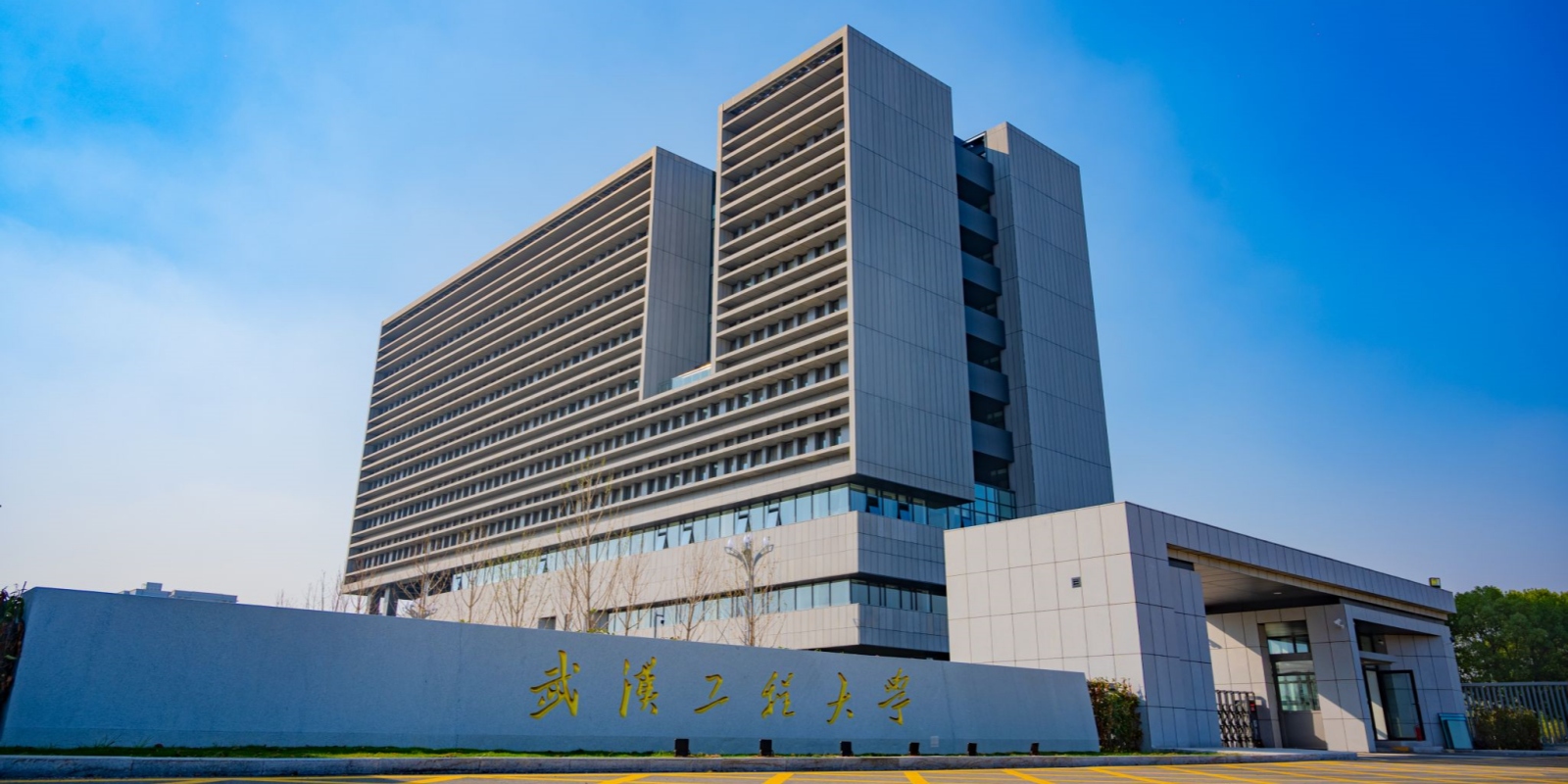
Consider the numbers behind one Chinese industry: among the 80-plus chemical and pharmaceutical companies in Hubei Province with annual output above 100 million yuan, nearly 70 percent are run by graduates of a single university. That university is Wuhan Institute of Technology, a school that has spent more than half a century feeding managers, engineers, and researchers into the chemical industry, and that, in the province’s own telling, has earned the title “the cradle of chemical talent.”
The chemistry was baked in from the start. Founded in 1972 as Hubei Chemical and Petroleum Institute, the school was placed under the central Ministry of Chemical Industry in 1980 as Wuhan Institute of Chemical Technology, then returned to Hubei’s management in 1998 and took its present name in 2006. Each renaming tracked the fortunes of China’s chemical sector, and the discipline that made the school famous has stayed at its core ever since.
The most distinctive work happens around one element: phosphorus. The university runs a national key laboratory for the green and efficient development of phosphate rock and its associated resources, and its engineers have cracked problems with global implications: producing electronic-grade phosphoric acid for ultra-pure semiconductor chips and extending the service life of China’s phosphate rock reserves by upwards of 60 years. In a country where phosphorus underpins everything from fertilizer to chip manufacturing, that is a rare claim for a provincial university to make.
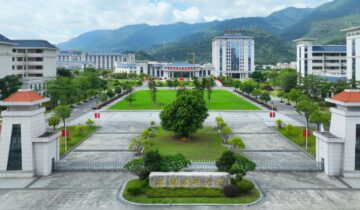
The scale is solid if unspectacular. Two campuses, Wuchang and Liufang, cover about 133 hectares, with 18 schools and colleges. Enrollment stands at 20,567 undergraduates, 6,351 master’s students, 345 doctoral candidates, and 471 international students, taught by 1,407 full-time faculty, including 3 academicians and 4 winners of the National Science Fund for Distinguished Young Scholars. Six subject areas rank in the ESI global top 1 percent, with chemistry and engineering inside the top 2 per mille; four doctoral programs and 23 master’s programs in first-class disciplines sit beneath them, across 74 undergraduate majors, 19 of them national first-class.
What the rankings do not capture is the school’s record as a finishing school for the region’s workforce. Its undergraduate progression rate to graduate school (32.64 percent) ranks first among Hubei’s provincial universities, and employment among its graduates has stayed above 95 percent. Over 200,000 students have graduated since 1972, and just over 60 percent of them have remained in Hubei to work, the kind of rootedness that explains the alumni takeover of the province’s chemical boardrooms.
Internationally, the university holds partnerships with 60-plus institutions in over 30 countries, runs joint programs with Curtin University and Florida Institute of Technology, and enrolls international students from Belt and Road countries at every degree level. From a provincial chemical school founded in 1972 to the quiet supplier of an industry’s leadership, Wuhan Institute of Technology remains, as its own history suggests, a university built on chemistry — and on the people it has sent out into the plants and laboratories of Hubei.
Data Source: WIT Official Website (as of 2026)