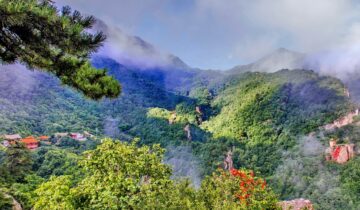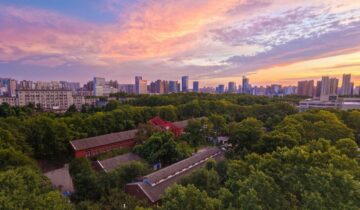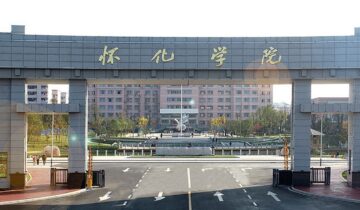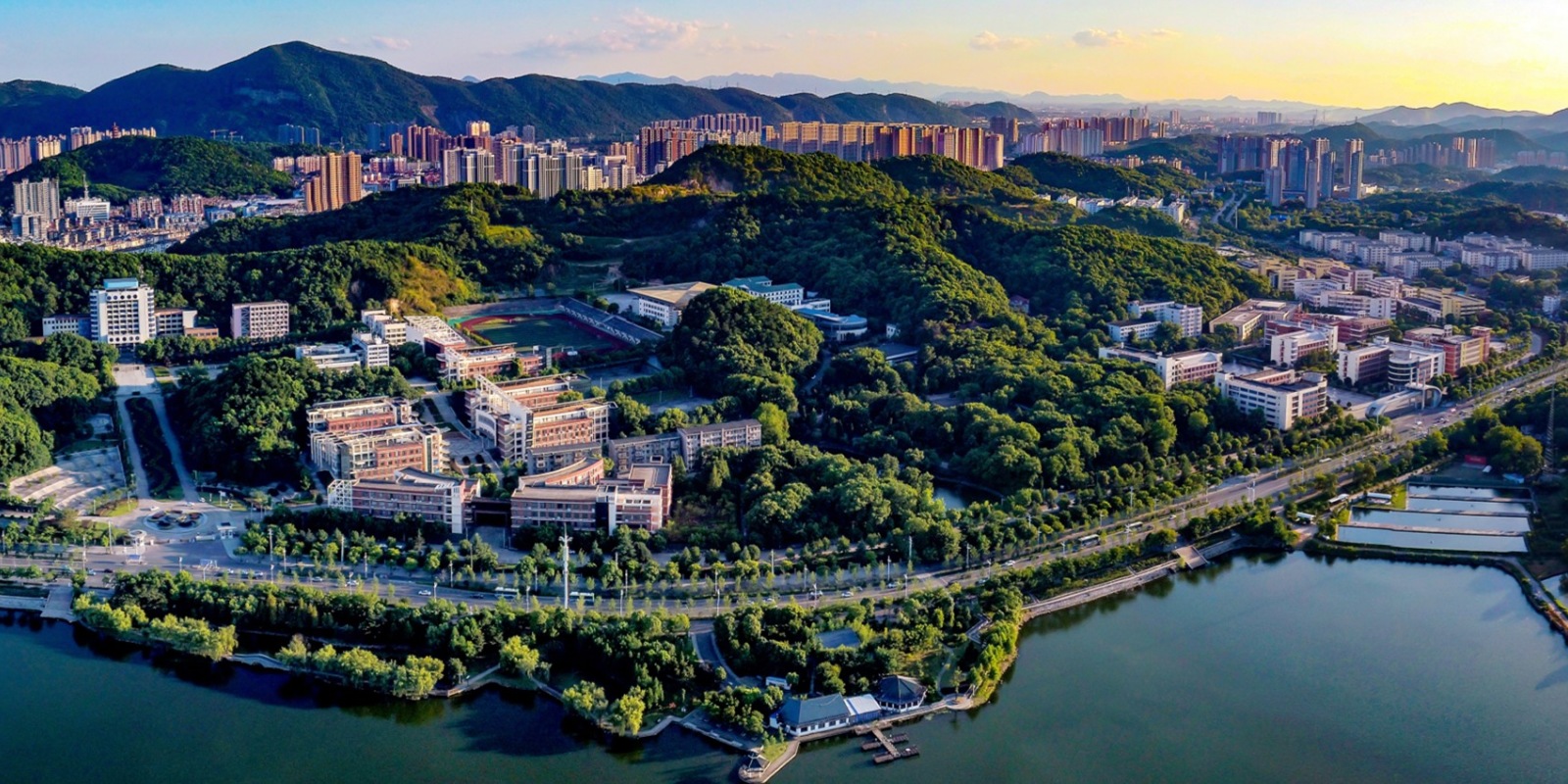
Huangshi is not a city that visitors usually describe as scenic. It grew up on mining and steel, the industrial heartland of a province that helped build modern China. Yet the campus at its center is a different story: Hubei Polytechnic University wraps around Cihu Lake with Qinglong Mountain rising behind it, a view so striking that the school is often described as having one of the most beautiful campuses in the country.
The university is younger than its setting. It was founded in 1975, opened its first undergraduate programs two years later, and worked its way through several identities, from the Huangshi higher engineering class to a branch of Wuhan Institute of Technology, before becoming a full college in 2004 and taking the name Hubei Polytechnic University in 2011. In 2024 it was approved as a master’s degree-granting institution, a milestone that pushed the school firmly beyond its vocational roots.
The academic map reflects the applied mission. Eight fields, led by engineering, are taught through 56 undergraduate programs across 16 schools, and the new graduate school enrolls students in three professional master’s programs: resources and environment, mechanical engineering, and biomedicine. Four disciplines rank as provincial key subjects, clinical medicine entered the top 1 percent of the ESI rankings in 2021, and four undergraduate programs sit on the national first-class list, with 20 more at the provincial level.
The faculty numbers 1,380 staff, 1,162 of them full-time teachers, including 430-plus with doctorates, and 13 scholars who receive the State Council special allowance. The university’s signature, however, is innovation. It holds 15 national and provincial entrepreneurship platforms, including a national-level mass innovation space, a national demonstration base for business incubation, and a national employment training base, and it has won the titles of national model university for innovation and entrepreneurship and the National May Day Labor Award.
The applied character is written into the school’s role. It chairs the Hubei alliance of applied universities, was among the first in the country to pass the ministry’s undergraduate teaching evaluation, and was the first provincial university in Hubei to undergo the ministry’s audit evaluation. Its programs are wired into the industries of the city, from manufacturing to medicine, and more than 21,000 students study on the lakefront campus today.
Fifty years ago the school began as a workers’ training class in a steel town. Today it is a master’s-granting university on one of the most photographed lakes in Hubei, training the engineers, managers, and clinicians the region needs, with a view few campuses anywhere can match.
Data Source: HBPU Official Website