A teacher-training college in the countryside does not usually make national headlines. Yangtze Normal University has managed it in an unusual way: seven graduates working at the grassroots, have been elected as delegates to the Party’s 18th, 19th, and 20th national congresses, a record that reflects the school’s century-long mission of training people for the country’s basic education. The university, based in Fuling district of Chongqing, has kept that mission through more than 90 years of change. It began in 1931 as the Fuling County Rural Normal School, one of the early rural teacher-training institutions of the region.
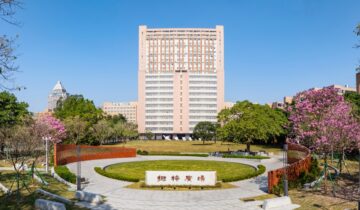
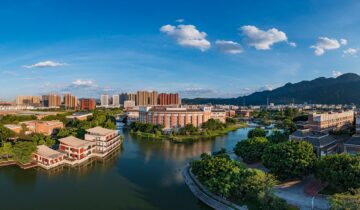
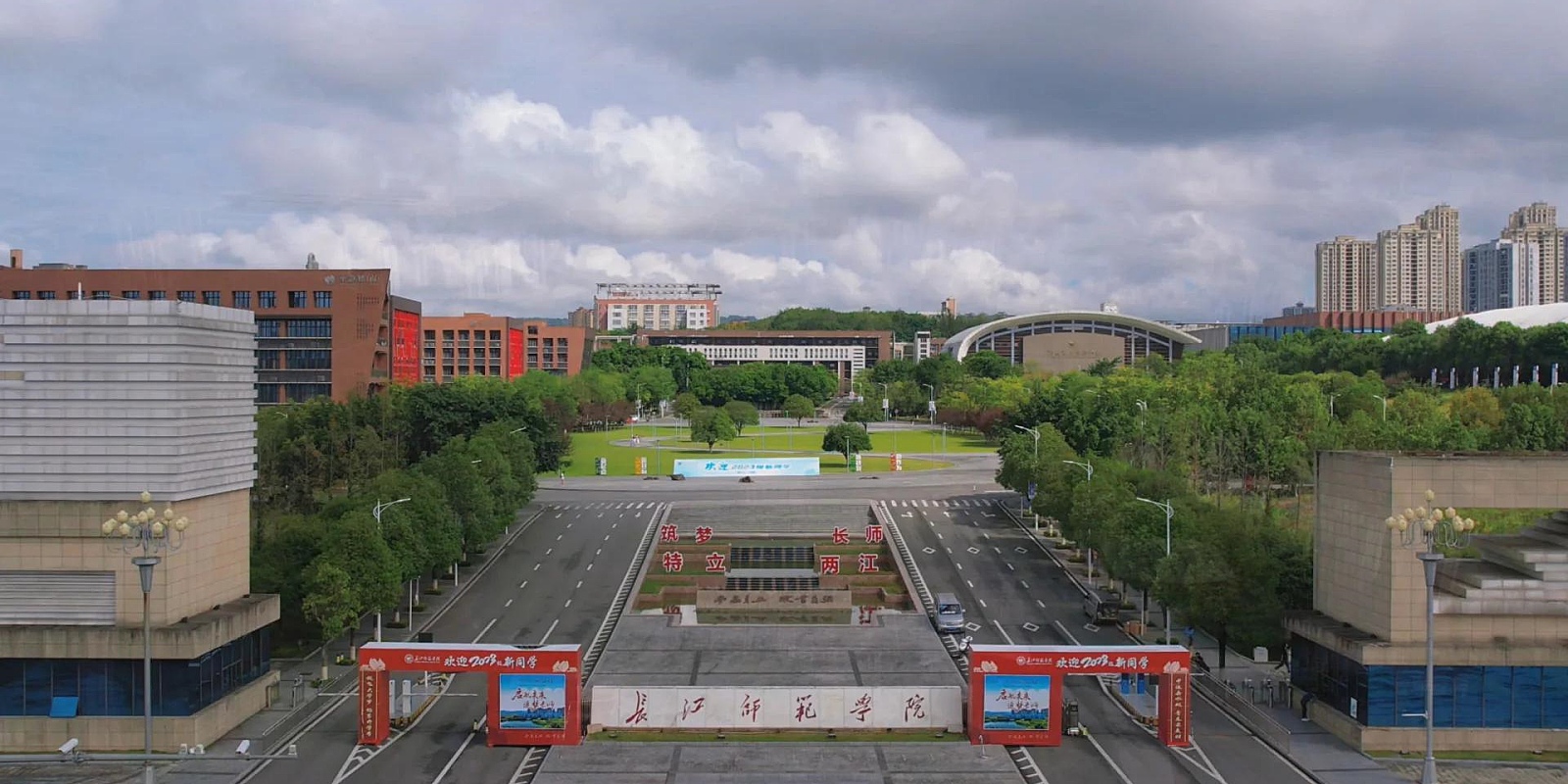
Its institutional path ran through repeated mergers and renamings. In 2001 the Fuling Normal College merged with the Fuling Education College to form a four-year institution, which took the current name in 2006 and gained a master’s degree-granting institution status in 2024. The campus covers about 113 hectares, with buildings totaling 768,500 square meters, and 22,000-plus undergraduates study here, joined by 195 postgraduates.
The academic map keeps the teacher-training core while spreading outward. Seven municipal key disciplines, three master’s programs, and three ESI top-1-percent subjects anchor the research side, while 55 undergraduate programs, including 4 national first-class programs, serve the teaching side. Twelve teacher-education programs have passed the second-level professional accreditation, and the university has built 5 modern industry colleges to tie its graduates to local employers.
A faculty of nearly 1,300 includes 500-plus with senior titles and roughly 500 with doctorates, plus some 550 teachers qualified in both academic and practical work. Roughly 135 scholars hold provincial or national talent titles, and four teachers in the world’s top 2 percent, while 178 faculty serve as master’s supervisors.
Research follows the region’s needs. The university runs 33 provincial and ministerial platforms, including a research base under the National Ethnic Affairs Commission, and its annual research funding has passed 100 million yuan in recent years, with 50-plus government science awards on the record. It has also turned applied knowledge into local development: more than a thousand industry-university cooperation projects, 46 patents converted to commercial use, and an innovation ecosystem ranked fifth in Chongqing.
The international reach is small but growing. Under a “1+3+7” structure, the university runs one joint institute, three joint programs, and seven cooperative programs at bachelor’s and master’s level with foreign partners, and it has taught 614 international students from 44 countries. In the national university competition ranking it stands 171st, but its real measure is elsewhere: a school that began in a rural normal school in 1931 still sends its graduates into the country’s classrooms and communities, and some of them, one congress at a time, have carried the school’s name to the national stage.
Data Source: YZNU Official Website (as of 2026)