Sixth on the list of schools that supplied China’s A-share chief financial officers, Jiangxi University of Finance and Economics has spent a century sending accountants and managers into the country’s boardrooms. It began in 1923 as the Jiangxi Provincial Commercial School, born in the era’s wave of industrial and educational salvation, and it has grown into one of the country’s defining finance universities.
History shaped it in stages: the school kept teaching through the war years by moving into the mountains of western Jiangxi, became the first public finance school in the new People’s Republic in 1949, and in 1958 became the first undergraduate finance university in Jiangxi. Revived in 1978, it answered to the national finance ministry from 1980, took its present name in 1996, and has been jointly managed by the finance ministry, the education ministry and the Jiangxi government since 2012.
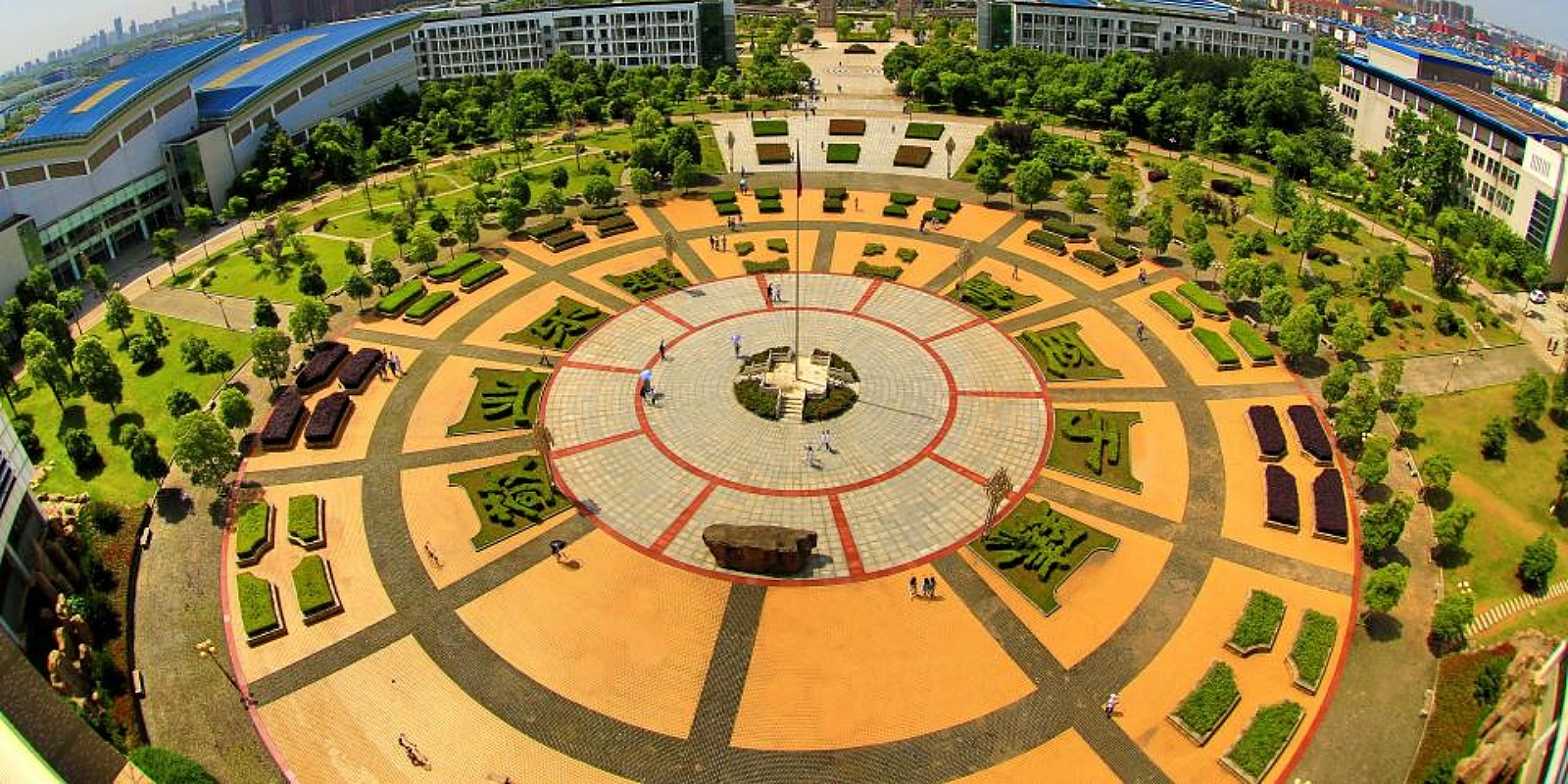
Nine first-level doctoral disciplines in economics, management, statistics and beyond, 17 first-level master’s disciplines and seven postdoctoral stations support 53 undergraduate programs with 34 national first-class majors. Applied economics and statistics both earned A-minus grades in the national discipline evaluation, statistics has been admitted to the ministry’s 101 Plan for foundational disciplines, and some 35,900 students are enrolled across four campuses covering about 2,200 mu, roughly 147 hectares.
Research wears a policy face. The school’s finance data science laboratory was named one of the ministry’s second batch of philosophy and social science laboratories, its journal Contemporary Finance and Economics ranks among the country’s top hundred social science journals, and it holds the first CMA certification for large AI models in China, a national accreditation for inspecting artificial intelligence systems. It has led 540 national social science fund projects, including 30 major ones, and 578 national natural science projects.
A faculty of 2,300-plus, with doctorates held by 77 percent of full-time teachers and two academicians among them, teaches a school whose international portfolio is unusually complete: membership in AACSB and EFMD, BGA international accreditation, five-star status under QS Stars, and ACCA platinum-level recognition, alongside ties with 204 universities in 52 countries and a Confucius Institute built with Coventry University in Britain.
Wherever Chinese business keeps its accounts, a graduate of this school is likely nearby: more than 300,000 alumni work in finance, accounting and management, the school ranks seventh among China’s finance and economics universities, and its graduates place 84th nationally on the salary index. A commercial school of 1923 has become one of the country’s definitive finance universities, and the pen is still in their hands.
Data Source: JXUFE Official Website (as of 2026)