One university in the world holds a UNESCO chair devoted to ceramic culture, and it sits in Jingdezhen, the city that has made porcelain for a thousand years. Jingdezhen University, founded in 1977, is described locally as a cradle of ceramic artists and schoolteachers, and the two halves of that title still frame its work: training craftspeople who shape clay, and teachers who shape classrooms.
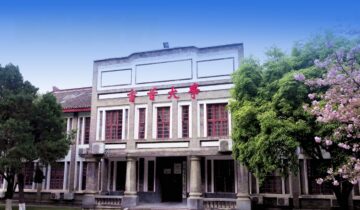
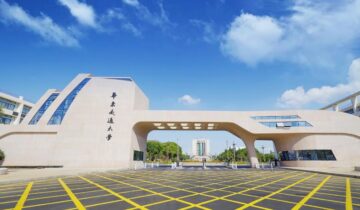
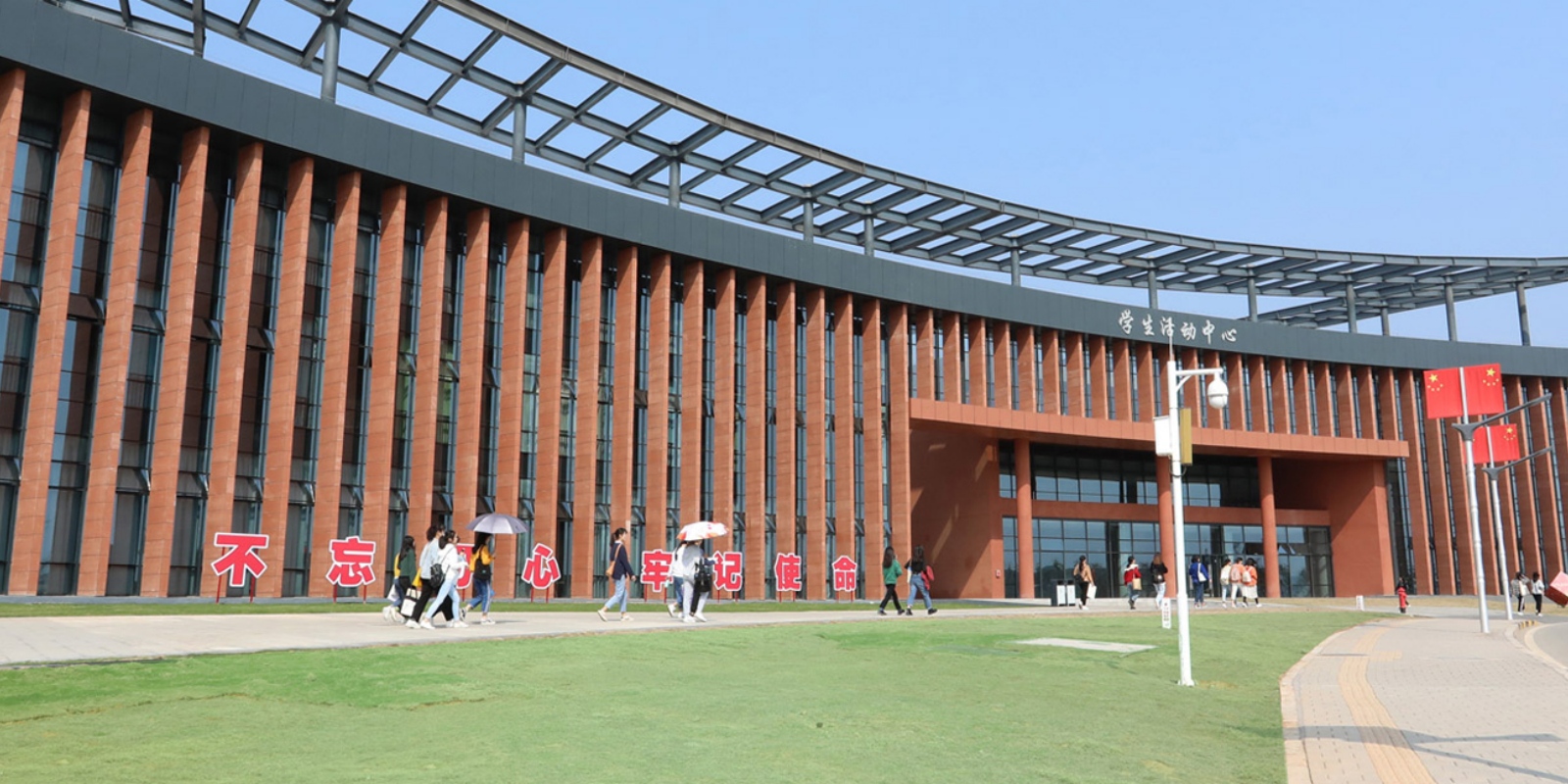
The school was created in 1977 in the porcelain capital of Jiangxi and grew into a comprehensive undergraduate university of nine fields of study. Its planned campus covers 2,025 mu, about 135 hectares, with the first phase completed and a second under way, and it runs 11 colleges and 36 undergraduate programs for 14,000-plus students.
Ceramics and education share the curriculum, from art and design to teacher training, engineering and agronomy, with a national first-class program leading the academic structure. A faculty of 685 full-time teachers, more than 200 of them with senior titles and 140-plus with doctorates, includes national arts masters and provincial teaching leaders among its 100-plus named talents.
Its platforms give the school a global reach unusual for its size: a UNESCO chair in ceramic culture, the world’s only one, sits beside an education-ministry heritage base for ceramic culture, a national youth ceramics training base and a provincial postdoctoral practice base, among 20 provincial-and-national platforms. Since 2020 faculty have led nearly 400 research projects, published more than 1,600 papers and registered 700-plus patents.
Ceramics also open the doors abroad: the school has hosted a China-Norway art exhibition, co-organized a 2024 Sino-Korean ceramics exhibition with a Korean cultural exchange institute, and signed cooperation agreements with universities in Thailand and the United States, while sending delegations to Russian institutions. Its ceramic culture heritage base trains artists from other porcelain regions of China as well.
Keeping two cradles warm, one for ceramic artists and one for schoolteachers, has been Jingdezhen University’s work since 1977: the region’s classrooms and its kilns both carry the school’s mark, and the UNESCO chair it holds is the newest proof that both lines of work have delivered.
Data Source: JDZU Official Website (as of 2026)