Thirty-one foreign languages are taught at Tianjin Foreign Studies University, from English to Portuguese to Burmese, and the same institution runs nine Confucius Institutes abroad, from Korea to Portugal to Indonesia. Few schools bridge the two directions of translation as completely: it teaches China the world’s languages, and teaches the world Chinese.
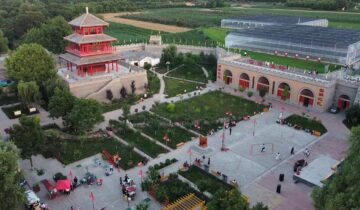
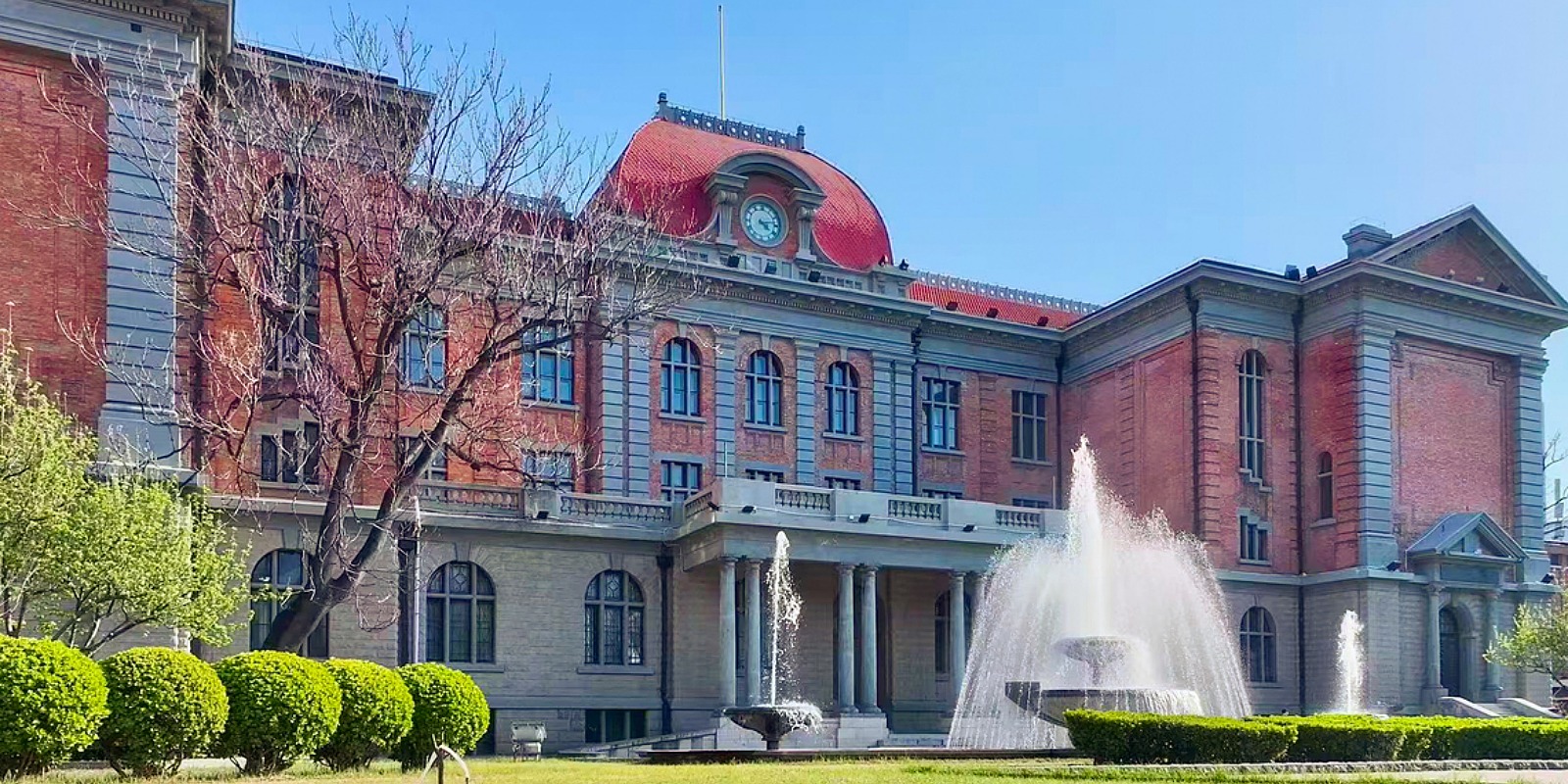
The university was born in 1964 to serve the needs of China’s expanding diplomacy, growing out of a foreign language college in Qinhuangdao, and took its present name in 2010 after decades as a foreign studies institute. Two campuses, one in the historic Five Avenues district of Tianjin and one in the Binhai new area, cover 47 hectares and host 10,000-plus students from all 34 provincial regions of China.
Fifty-seven undergraduate programs include 34 in foreign languages and literature, with 16 national first-class programs and a full suite of seven master’s-level disciplines in language and translation studies. Its most unusual asset is the only one of its kind in China, a special national doctoral project for training translators of key state documents, a field where the university has built a national reputation.
Translation runs through everything: the school has provided interpreting for the Shanghai Cooperation Organization summits, the Summer Davos forum and the World Intelligence Congress, was a designated translation unit for the Beijing Olympics, and has published over a hundred translated books. Six education-ministry research bases on countries and regions, from Korea and Latin America to Russia and Ukraine, anchor a research profile that turns language into policy advice.
Its 700-plus faculty, more than 60 percent of them with overseas study or work experience, teach 2,500-plus international students each year from more than 60 countries. The Confucius Institutes remain the global calling card, with the one at the University of Lisbon rated a global model Confucius Institute and the university twice named an outstanding Chinese partner institution in the Confucius Institute program.
Olympic podiums and summit meeting rooms have both depended on Tianjin Foreign Studies University for interpreters, a supply line it has kept open for six decades, one language at a time. The languages shift with the world’s headlines, but the school that supplies the voices in between stays the same.
Data Source: TJFSU Official Website (as of 2026)