China’s first university of applied sciences sits in Tianjin, and its motto, practicality, perfection and integrity, says a lot about how it teaches. Tianjin Sino-German University of Applied Sciences, approved in 2015, grew out of the largest government-level cooperation project in vocational education among China, Germany, Japan and Spain, with roots in a training center founded in 1985 that taught enterprise employees from its first year.
The school became a vocational college in 2001, was approved as a university of applied sciences in 2015, entered Tianjin’s double first-class construction system in 2017, and in 2021 was approved as a master’s degree-granting institution. Its stated goal is turning out senior technicians, frontline engineers and craftsmen.
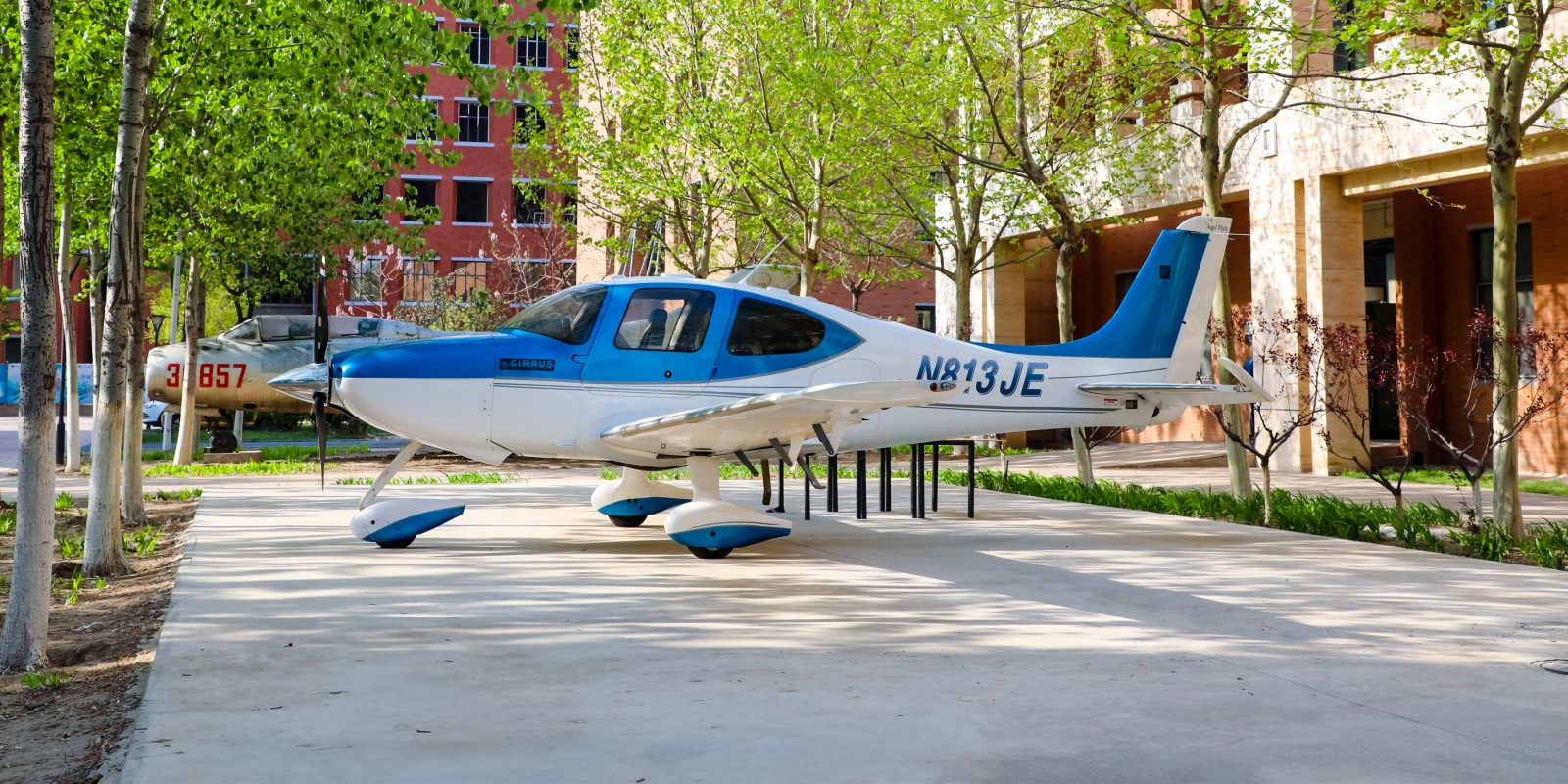
The campus in the Haihe Education Park covers about 48 hectares, with 88 training laboratories and workshops and teaching and research equipment worth over 500 million yuan. Nine program clusters, from advanced manufacturing and automation to applied languages, support two professional master’s programs, 24 undergraduate majors and six vocational programs, enrolling more than 12,000 full-time students, including 86 master’s students.
Among its 805 faculty are 10 foreign experts, 68 visiting professors and a core of teachers who combine doctoral study with industry experience: 316 have worked in enterprises and 231 have studied or trained abroad. The teaching record is unusually strong for a young university: 10 national teaching achievement awards, including the first national special prize in vocational education, and a clean sweep of the Huang Yanpei Vocational Education Awards. Since 2019 it has ranked in the top two among China’s new undergraduate institutions in a national index of faculty teaching development.
Its graduates number more than 10,700 bachelor’s degree holders to date, and its non-degree training has reached about 60,000 people in the past three years. Industry ties are built into the model: with Volkswagen, NetEase and other leading companies it has established eight industry colleges, and it works with over 400 enterprises on training and research. Internationally, it set up the Lancang-Mekong Vocational Education Training Center and Cambodian Luban Workshop and a Luban Workshop in Nigeria, carrying its cooperation-based model beyond China’s borders.
Every rung of China’s vocational education ladder appears in its history: a training center in 1985, a vocational college in 2001, a university in 2015 and a master’s degree-granting institution in 2021. Its name still carries the cross-border partnership that created it, and its classrooms still practice the hands-on approach that partnership instilled.
Data Source: TSGUAS Official Website (as of 2025)