Only three universities in China are devoted entirely to pharmacy, and one of them grew out of a cadre training school run by the provincial health department. Guangdong Pharmaceutical University, born in 1958 as a training institute for health workers, spent six decades turning itself into a full university of drugs, medicine and health, and today it is the oldest pharmacy school in southern China.
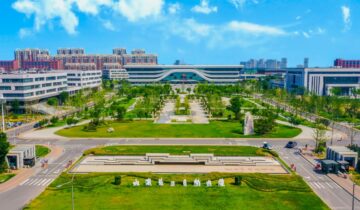
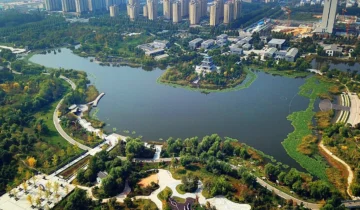
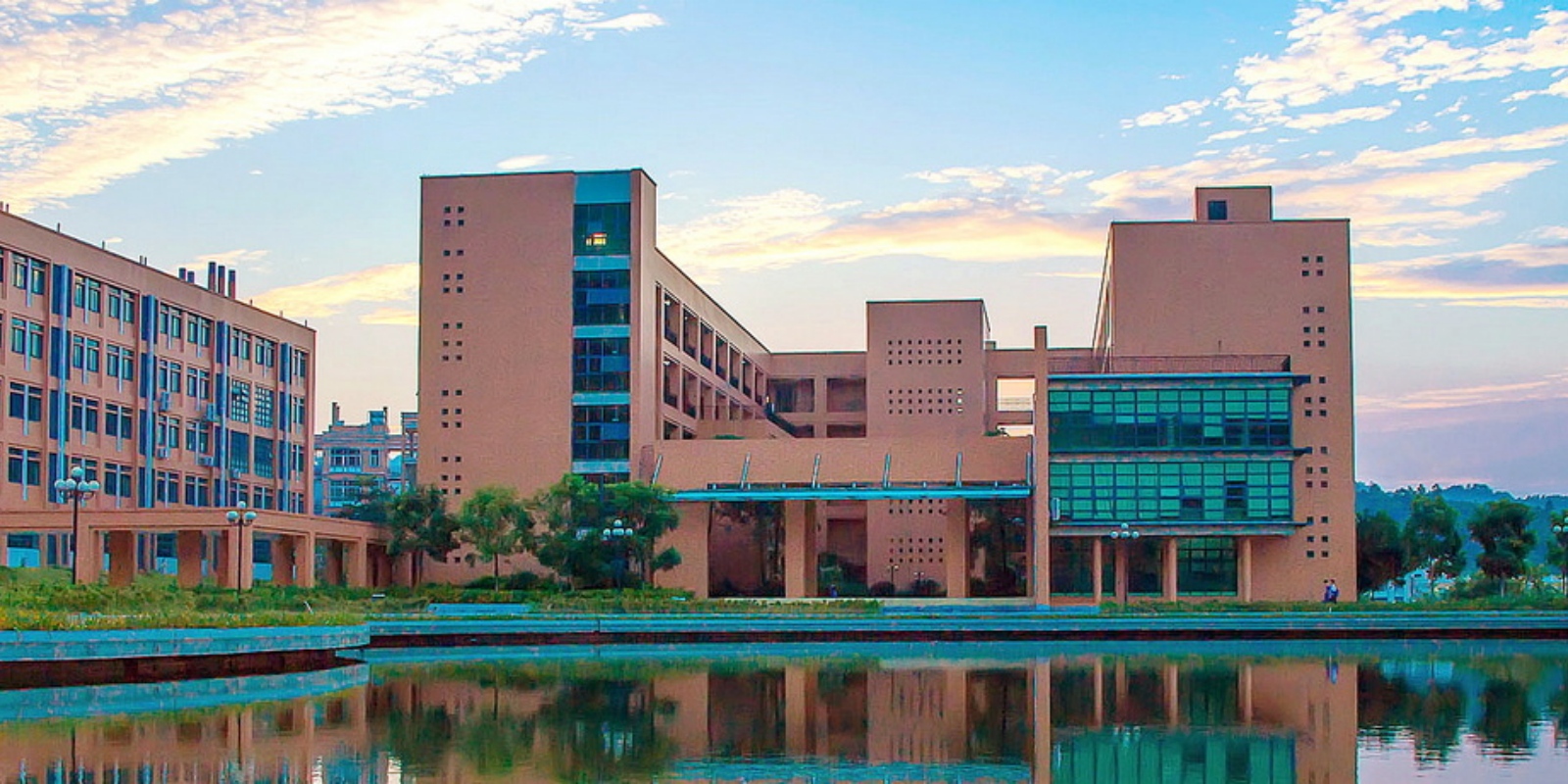
The name changes tell the story: Guangdong Medical and Pharmaceutical College in 1978, Guangdong College of Pharmacy in 1994, and Guangdong Pharmaceutical University in 2016, each step widening the mission. Five campuses across Guangzhou, Zhongshan and Yunfu cover about 350 hectares, with nineteen colleges, two affiliated research institutes and a hospital network of seventeen institutions, including two directly affiliated top-tier hospitals.
The academic core is built around the drug. Doctoral programs in pharmacy and in integrated Chinese and Western medicine, five first-level master’s programs and nine professional master’s categories sit above forty-nine undergraduate majors, and five disciplines rank in the ESI global top 1 percent, including pharmacology and toxicology. Six national first-class undergraduate programs and a national experimental teaching center anchor the teaching side, and about 29,000 full-time students are enrolled.
Research has made the university a national name in metabolic disease. Its team produced the first international clinical guideline for glucose-lipid metabolic disease, announced at a world congress on integrated medicine, and developed a series of proprietary Chinese medicines, including a lipid-regulating capsule named among the first batch of Guangdong’s Lingnan prescriptions. A ministry key laboratory for glucose-lipid metabolic disease and an engineering research center for small-molecule drugs lead more than sixty research platforms.
Industry links run deep into the province’s pharmaceutical economy. The university co-founded the Guangdong-Hong Kong-Macao pharmaceutical industry innovation alliance, its technology transfer office has generated about 338 million yuan in licensing over five years, and it trains pharmacists and drug developers for companies across the Pearl River Delta. Faculty include winners of national science awards and members of the national pharmacopoeia committee.
Medicine begins with the drug, and the drug with the people who understand it. That chain has linked the training class of 1958 to the present, and Guangdong’s only pharmacy university still teaches it in that order, from the laboratory to the bedside.
Data Source: GDPU Official Website (as of 2026)