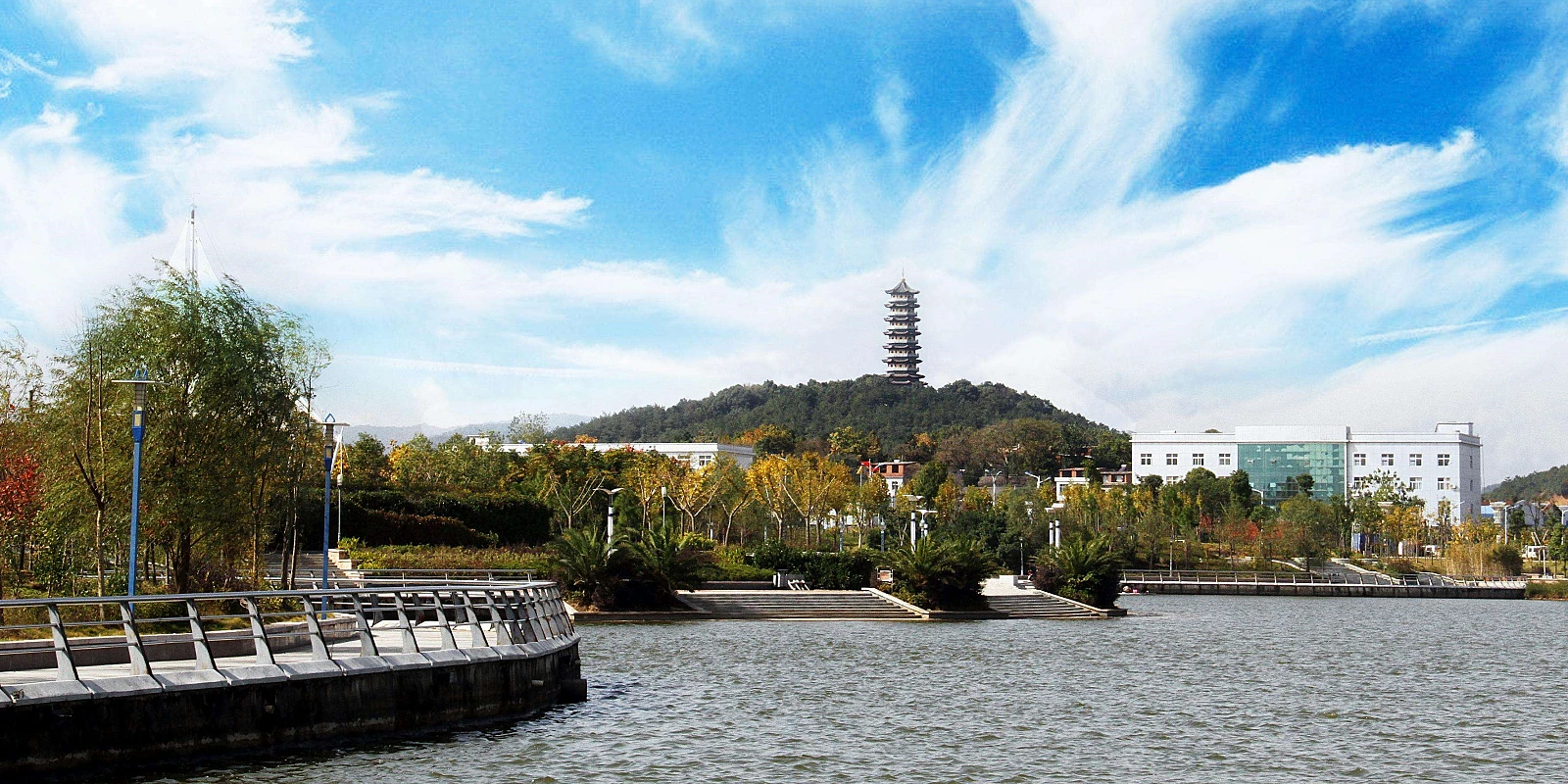
Deep beneath the hills of northern Jiangxi lies the birthplace of China’s bronze civilization — the Tongling ancient copper mine, dating back over 3,000 years to the Shang dynasty. This is not a legend but a fact: the Tongling site in Ruichang is the earliest, best-preserved, and most artifact-rich mining and smelting site ever discovered in China. Today, Ruichang — a name meaning “auspicious prosperity” — has traded bronze for steel, ships, and silicon. With 1,423 square kilometers straddling the Yangtze River’s southern bank at Jiangxi’s northern gateway, this county-level city under Jiujiang governs 21 townships and a population of 460,000. Its deep-water port handles 58.8 million tons of cargo annually — the busiest of all five major ports in the Jiujiang area — while the city’s industrial transformation has earned it the title of Jiangxi’s top industrial county for four consecutive years.
💡 Featured Industries
- Port and Logistics Economy: Ruichang port leads all five Jiujiang ports with a cargo throughput of 58.82 million tons annually. The city sits at the intersection of the Beijing-Kowloon Railway artery and the Yangtze River golden waterway, at the golden crossing of four provincial capitals (Jiangxi, Hubei, Hunan, Anhui). The Hangzhou-Ruili Expressway and Wuhan-Jiujiang high-speed railway pass through the city. A general aviation airport is under construction, and a bridge connecting Ruichang to Guangji (Hubei) is planned. Huazhong Wood Industry became Jiujiang’s first 5A-rated logistics enterprise.
- Shipbuilding and Marine Engineering: Ruichang has revitalized its shipbuilding sector through a partnership between Xinjiangzhou Shipbuilding Heavy Industry and listed companies Tianhai Defense and Yangtze River Shipbuilding Group. The sector has secured a 1.24 billion yuan shipbuilding order book, positioning the city as an emerging Yangtze River shipbuilding hub.
- Electronics and Photoelectric Cluster: The city’s electronics and photoelectric industrial cluster has been recognized as a provincial-level industrial cluster. Ruichang hosts Jiangxi’s largest Hong Kong-invested and Taiwan-invested enterprises, with 6 companies paying over 100 million yuan in annual taxes.
- Advanced Manufacturing and Construction: Ruichang has established a “3+N” industrial system focused on three pillar industries plus emerging sectors. A joint venture with Guangzhou Construction Group (a Fortune Global 500 company) has established Guangjiu Construction Company. A 1 billion yuan industrial fund with Guoxin Hongsheng Private Equity supports the city’s industrial upgrading.
- High-Quality Agriculture: The surrounding rural areas produce high-quality agricultural products including tea, oil tea, and aquatic products from local reservoirs and rivers. Ruichang’s fertile hillsides and Yangtze floodplain support diverse agricultural production.
🗺 Tourist Attractions
- Tongling Ancient Copper Mine Site: The crown jewel of Chinese mining archaeology, the Tongling site is China’s earliest (Shang dynasty, ~1,600 BC), best-preserved, and richest ancient mining and smelting site. The site includes underground tunnels, mining tools, and smelting furnaces that demonstrate sophisticated bronze production technology over 3,000 years ago. The National Archaeological Ruins Museum is under construction, which will display the site’s extraordinary artifacts.
- Xiaban Copper Source Shadow-Cut Cultural Park: A national 4A-level scenic area centered on the traditional art of paper-cutting. The park features exhibition halls, workshop spaces where visitors can try paper-cutting, and cultural performances. The park celebrates the “Copper Source” heritage — the intersection of Ruichang’s copper mining history and its folk art traditions.
- Chunqiu Ancient City: A reconstructed ancient city site with historical architecture and cultural performances that bring the region’s Spring and Autumn period history to life. The site features walled compounds, traditional Jiangxi-style buildings, and historical exhibits.
- Ruichang Yangtze River Waterfront: The city’s Yangtze River front offers scenic views of China’s longest river, with promenades, parks, and viewing platforms. The contrast between the industrial port area and natural river scenery creates a distinctive riverside experience.
- Tongxiang Scenic Area: Mountainous tea-growing areas with terraced tea gardens, hiking trails, and panoramic views. The area is particularly beautiful during spring tea-picking season when the terraced fields are lush green and misty.
🎭 Culture
- Ruichang Paper-Cutting: A national-level intangible cultural heritage, Ruichang paper-cutting is renowned for its fine, intricate patterns depicting local life, landscapes, and folk tales. The art form, also known as “shadow cutting”, has been practiced for centuries and is passed down through generations of local artisans.
- Ruichang Bamboo Weaving: Another national intangible cultural heritage, the city’s bamboo weaving tradition produces baskets, screens, furniture, and decorative items using techniques refined over hundreds of years. The craft uses locally grown bamboo and natural dyes.
- Bronze Civilization Legacy: Ruichang is known as the “Hometown of Chinese Bronze Smelting”. The discovery of the Tongling ancient mine rewrote the history of Chinese metallurgy. The city hosts cultural events and educational programs celebrating this heritage.
- Ruichang Badminton Culture: Ruichang has invested heavily in badminton as a signature sport under the “one county, one brand” strategy. The Ruichang team won the silver medal at the 2023 China Badminton Super League, bringing national attention to this small city’s sporting achievements.
- Traditional Folk Festivals: The city maintains vibrant folk traditions including dragon and lion dances during Spring Festival, mid-autumn lantern displays, and temple fairs at local temples. These events blend Ruichang’s mining heritage with agricultural folk customs.
🚗 Getting There
- Road: Ruichang is served by the Hangzhou-Ruili Expressway (G56) and connects via national highways to Jiujiang (30 km west), Nanchang, and Wuhan. The Guangji-Ruichang bridge across the Yangtze is under construction.
- Rail: The Wuhan-Jiujiang High-Speed Railway passes through Ruichang, providing fast rail connections to Wuhan (about 1 hour), Nanchang, and the national high-speed network. The Beijing-Kowloon Railway also runs near the city.
- Water: Ruichang port has 19.5 kilometers of Yangtze River shoreline with extensive deep-water berths. Cargo throughput reached 58.82 million tons in 2023, making it the largest port in the Jiujiang region. 5,000-10,000 ton vessels can navigate to and from the port.
- Air: A general aviation airport is under construction in Ruichang. The nearest major airports are Jiujiang Lushan Airport (about 40 km) and Nanchang Changbei International Airport (about 120 km).
🍜 Local Cuisine
- Ruichang Bacon: Air-dried pork belly seasoned with salt, Sichuan pepper, and local spices, then smoked over wood fires. The bacon has a distinctive smoky flavor and is typically steamed or stir-fried with seasonal vegetables.
- Yangtze River Fish Hot Pot: Fresh fish caught from the Yangtze River, cooked in a bubbling clay pot with tofu, pickled vegetables, chili, and ginger. The slow cooking process allows the fish bones to release their full flavor into the broth.
- Ruichang Rice Noodles: Locally produced rice noodles served in a rich meat broth or stir-fried with pork, vegetables, and soy sauce. The noodles are known for their springy texture and ability to absorb flavors.
- Mountain Vegetable Stir-Fry: Wild mountain vegetables foraged from the surrounding hills — including bamboo shoots, fern buds, and daylily buds — stir-fried with garlic and local cured pork. The dish showcases the flavors of Ruichang’s forested landscape.
- Steamed Rice Cake: Traditional glutinous rice cakes made for festivals and family gatherings, filled with sweet red bean paste or savory minced pork and pickled vegetables. Each season has its own variety of rice cakes.