Deep in the mountains of southern Jiangxi, a river begins its journey. Emerging from the 333-square-kilometer Sanbai Mountain forest — where 98 percent of the ground is covered in trees — this stream becomes the Zhenjiang River, then the Dongjiang River, and finally the lifeblood of Hong Kong’s water supply. Every day, millions of Hong Kong residents drink water that originated in Anyuan County. This is Anyuan’s quiet claim to fame: gatekeeper of a watershed that divides China’s two greatest river systems. Rain falling on the southern slopes of the county’s central ridge feeds the Pearl River and flows to Guangzhou and Hong Kong. Rain on the northern slopes feeds the Yangtze River and flows to Shanghai. Established in 544 AD during the Liang dynasty and named after the Anyuan River that winds through its valleys, Anyuan covers 2,350 square kilometers under Ganzhou City. With a population of 400,000 spread across 18 townships, it is a county shaped by mountains, nourished by two watersheds, and famous across China for among the sweetest navel oranges in China.
💡 Featured Industries
- Navel Orange Industry: Anyuan is at the heart of Ganzhou’s world-famous navel orange region. The county’s mountainous terrain, abundant sunshine, and red acidic soil create ideal conditions for growing the sweet, seedless Ganzhou navel oranges. Thousands of hectares of terraced orange orchards cover the hillsides, and the county has developed a complete industry chain from cultivation and processing to cold-chain logistics and export. Anyuan oranges are sold across China and exported to Southeast Asia and Europe.
- Ecotourism and Outdoor Recreation: Sanbai Mountain National Forest Park is Anyuan’s premier attraction, but the county has diversified its tourism offerings with the Langchi Off-Road Park (a popular destination for 4×4 enthusiasts), the Green Mountain Happy Valley water park, and the 667-Hectare Navel Orange Orchards where visitors can pick fresh fruit. The county actively promotes “attracting tourists into Anyuan” through incentive programs.
- E-commerce and Modern Logistics: Anyuan has emerged as a leader in rural e-commerce and logistics innovation. The county has developed “logistics-powered” e-commerce infrastructure connecting mountain farmers to urban consumers nationwide, reducing delivery times and costs for agricultural products.
- Agricultural Product Processing: Beyond fresh oranges, Anyuan processes agricultural products including orange juice concentrates, dried fruit, honey, tea, and traditional preserved foods. The county’s clean water and air support organic and green-certified agricultural production.
- Light Manufacturing and Electronics: Anyuan’s industrial parks host enterprises in electronics assembly, garment manufacturing, and building materials. The county has been actively attracting investment from coastal enterprises relocating inland, leveraging its location on the Ganzhou-Guangdong corridor.
🗺 Tourist Attractions
- Sanbai Mountain National Forest Park: A 333-square-kilometer national forest park and the crown jewel of Anyuan. Sanbai Mountain features 98 percent forest coverage, an extraordinary diversity of subtropical flora and fauna, crystal-clear mountain streams, and spectacular granite peak formations. The mountain is the source of the Dongjiang River, and a key inscription marks this as the “headwater of the river that nourishes Hong Kong.” The park offers hiking trails, scenic cable car rides, waterfall viewing platforms, and a mountain-top glass bridge.
- 667-Hectare Navel Orange Orchards: The terraced orange groves that cover Anyuan’s hillsides are a tourist attraction in their own right. During spring blossom season, the hills are covered in fragrant white flowers; during autumn harvest, the golden fruit hanging from every tree creates a stunning landscape. Visitors can tour the orchards, pick their own oranges, and taste fresh-squeezed juice.
- Langchi Off-Road Adventure Park: A large-scale outdoor adventure park built on Anyuan’s rugged terrain, featuring off-road vehicle tracks,off-road tracks, camping grounds, and outdoor sports facilities. The park attracts adventure tourists from across Jiangxi and Guangdong for its challenging terrain and scenic mountain setting.
- Green Mountain Happy Valley: A water park and family entertainment complex set in a mountain valley, with swimming pools, water slides, children’s play areas, and picnic grounds. The park is particularly popular during summer months when urban visitors seek mountain-cooled recreation.
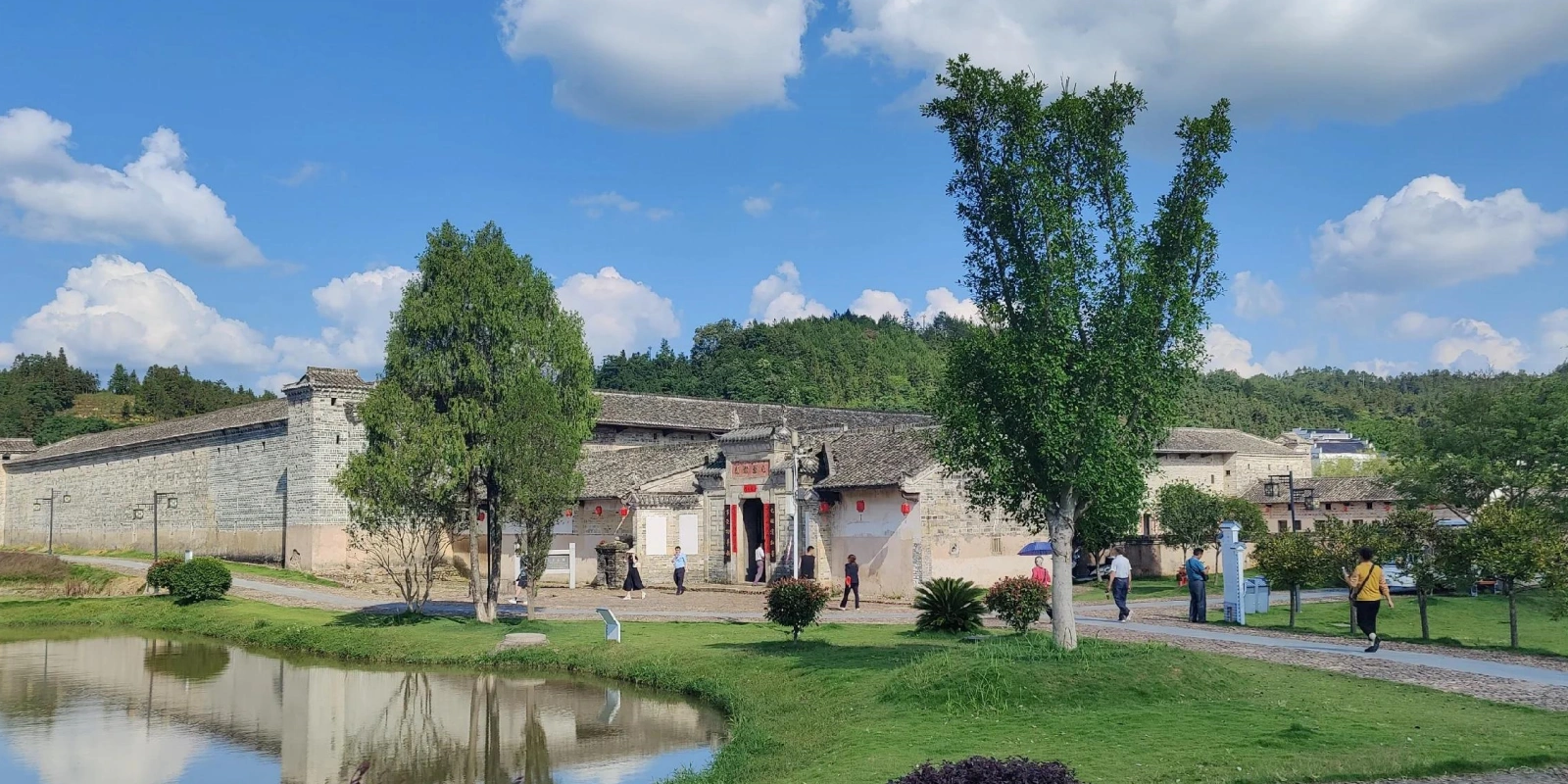
- Ancient Villages and Hakka Earth Buildings: Anyuan’s remote mountain valleys preserve traditional Hakka villages with distinctive round and rectangular earth buildings, ancestral halls, and ancient stone-paved paths. These settlements reflect the migration history and architectural traditions of the Hakka people who settled this region centuries ago.
🎭 Culture
- Watershed Culture — Two Rivers, One County: Anyuan’s unique geographical position on the watershed between the Pearl River and Yangtze River systems has shaped its identity. The southern half of the county sends its water to Guangdong and Hong Kong via the Dongjiang River, while the northern half feeds the Gan River and Yangtze system. This “one county, two watersheds” phenomenon is celebrated in local geography and culture.
- Hakka Heritage: Anyuan is part of the Gannan (southern Jiangxi) Hakka cultural region. The Hakka people, who migrated from central China into these mountains over centuries, maintain distinctive traditions including Hakka dialect, folk songs, cuisine, and architectural styles. Anyuan’s remote valleys preserved some of the most authentic Hakka folk traditions in the region.
- Revolutionary History: During the 1930s, Anyuan was part of the Central Soviet Area (Central Soviet Area). The county contributed significantly to the Communist revolutionary effort, and many local sites are associated with the Red Army’s activities, including guerrilla bases and revolutionary meeting points in the mountain valleys.
- Traditional Crafts: Anyuan’s mountain communities maintain traditional crafts including bamboo weaving, wooden utensil carving, and the production of hand-pressed tea oil from mountain-grown camellia seeds. These crafts are passed down through generations and are increasingly valued as heritage products.
- Orange Blossom Festivals: Each spring, Anyuan holds festivals celebrating the blooming of the navel orange orchards. The events feature folk performances, poetry readings, local food markets, and agricultural tourism activities that have become important cultural events drawing visitors from across the region.
🚗 Getting There
- Road: Anyuan is connected by National Highway G238 and the Ganzhou-Xunwu Expressway, providing access to Ganzhou city center (about 2 hours by road) and the broader expressway network linking to Nanchang, Guangzhou, and Xiamen.
- Rail: The Beijing-Kowloon Railway passes through nearby counties, with the nearest rail access available at Ganzhou or Dingnan stations. The county is planning improved rail connectivity as part of the Ganzhou regional transport development.
- Air: Ganzhou Huangjin Airport is the nearest major airport, approximately 2 hours by road from Anyuan county seat. The airport offers flights to major Chinese cities including Beijing, Shanghai, Guangzhou, Shenzhen, and Chengdu.
- Local Transport: Within the county, a network of rural roads connects all 18 townships and 152 administrative villages. Tourism shuttle services operate to Sanbai Mountain and other major attractions during peak seasons.
🍜 Local Cuisine
- Anyuan Navel Orange Dishes: The county’s signature fruit appears in both fresh and cooked forms — fresh orange juice, orange peel preserved in sugar, orange-infused steamed fish, and orange chicken stir-fry. The sweet-tart flavor of local oranges adds a distinctive character to Anyuan cooking.
- Hakka Stuffed Tofu: A classic Hakka dish — fresh tofu cubes hollowed out and stuffed with a mixture of minced pork, shrimp, mushrooms, and seasonings, then pan-fried and simmered in a light soy sauce broth. The dish is a staple of Anyuan’s Hakka culinary tradition.
- Camellia Oil Mountain Vegetable Salad: Wild mountain greens blanched and dressed with locally pressed camellia seed oil (tea oil), garlic, and a touch of chili. The nutty, fragrant oil elevates simple vegetables into a delicacy unique to the camellia-growing regions of southern Jiangxi.
- Steamed Pork with Preserved Vegetables: Pork belly slow-cooked until tender, sliced, and steamed with preserved mustard greens. The salty, umami-rich preserved vegetables complement the rich pork, creating a deeply satisfying dish traditionally served at festivals and family gatherings.
- Anyuan Rice Noodle Soup: Locally produced rice noodles served in a clear broth made from pork bones and mountain spring water, topped with shredded pork, scallions, and a drizzle of tea oil. The simple preparation lets the purity of Anyuan’s mountain ingredients speak for themselves.