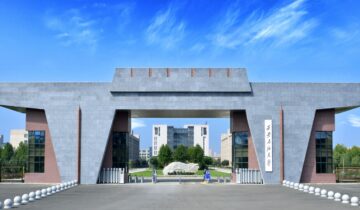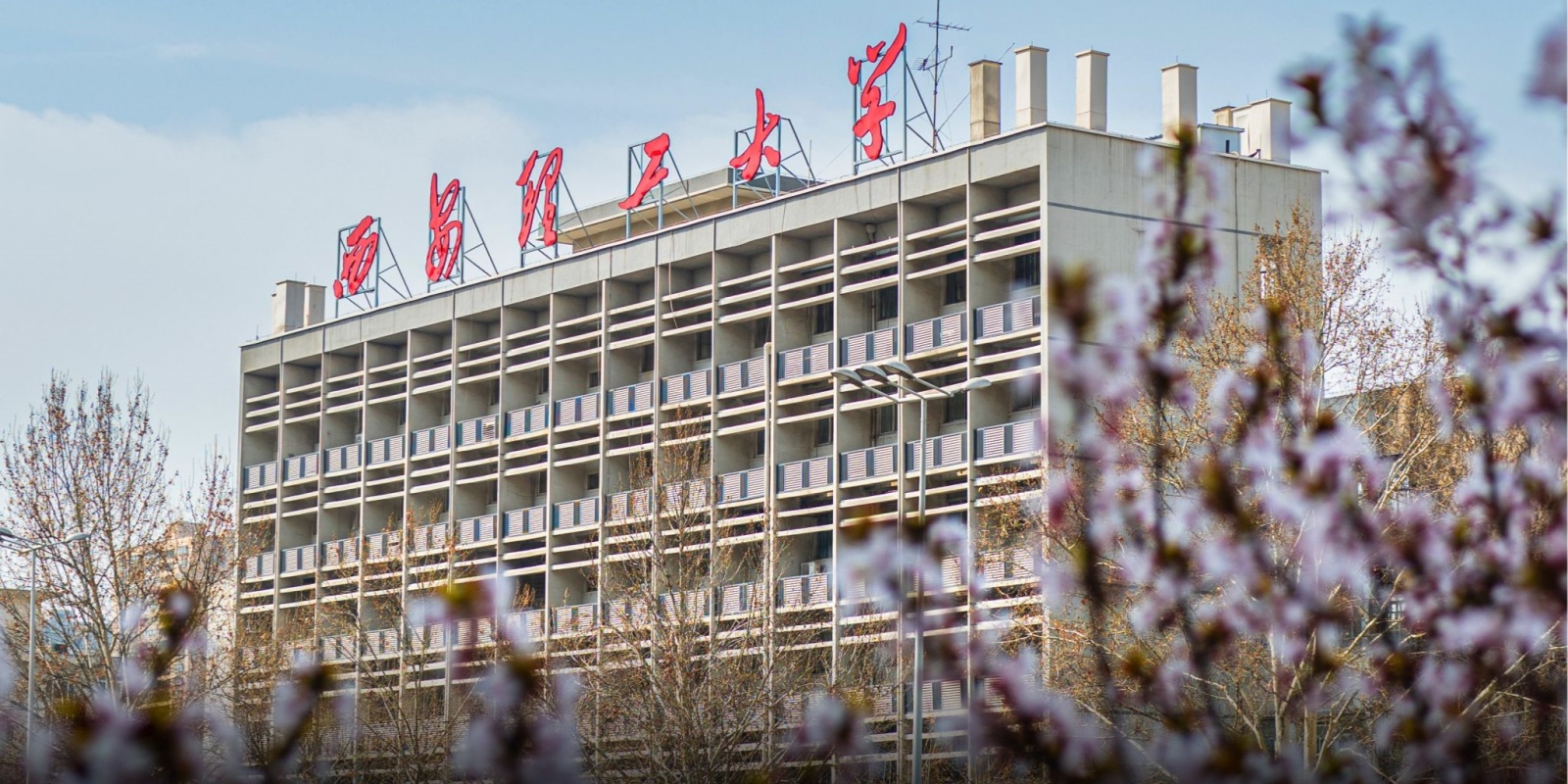
Two schools with opposite pasts came together in 1972 to make one university. From Beijing came a machinery college whose roots reached back to a commercial school opened in 1919; from Shaanxi came an engineering school descended from a wartime university founded in 1937, when much of Chinese higher education had fled to the northwest. Their merger became the Shaanxi Machinery Institute, renamed in 1994 as Xi’an University of Technology, and the combination gave the city one of its strongest engineering schools.
The merged university kept the practical character of both parents. It has long been a national base for water-power and equipment talent, answering to the machinery industry for decades before it passed to Shaanxi province in 1998. Today it counts 22 colleges, about 18,000 undergraduates and 11,000 postgraduates, and a faculty of 2,800, with more than 1,100 holding senior titles.
The academic core is engineering with a wide surround: 15 first-level doctoral programs and 4 professional doctoral programs, 27 first-level master’s programs, and one national key discipline among 21 provincial key disciplines. Eight fields, from engineering and materials to chemistry and agricultural science, rank in the ESI global top 1 percent, with engineering in the top 1 per mille, and the university placed 111th in the 2026 ShanghaiRanking of Chinese universities.
Research is anchored by a national key laboratory, part of a system of 60 provincial-level and above platforms that includes a national-local joint engineering center and two education-ministry key laboratories. Over the past decade the university has taken in 4.7 billion yuan in research funding, won four second prizes in the national science and technology progress awards, and built a portfolio of nearly 4,700 granted invention patents.
The faculty includes two foreign academicians of Chinese academies, and the university’s international reach runs to more than 100 partner institutions in 30-plus countries. Its International Engineering College, an approved Sino-foreign institution, teaches at bachelor’s, master’s and doctoral levels, and some 330 international students from 30-plus countries study on campus.
Its motto, motherland, honor, responsibility, sits above a record that spans nearly three decades under the present name: about 300,000 graduates have carried the university’s practical bent into China’s water projects, power plants and factory floors.
Data Source: XUT Official Website (as of 2026)