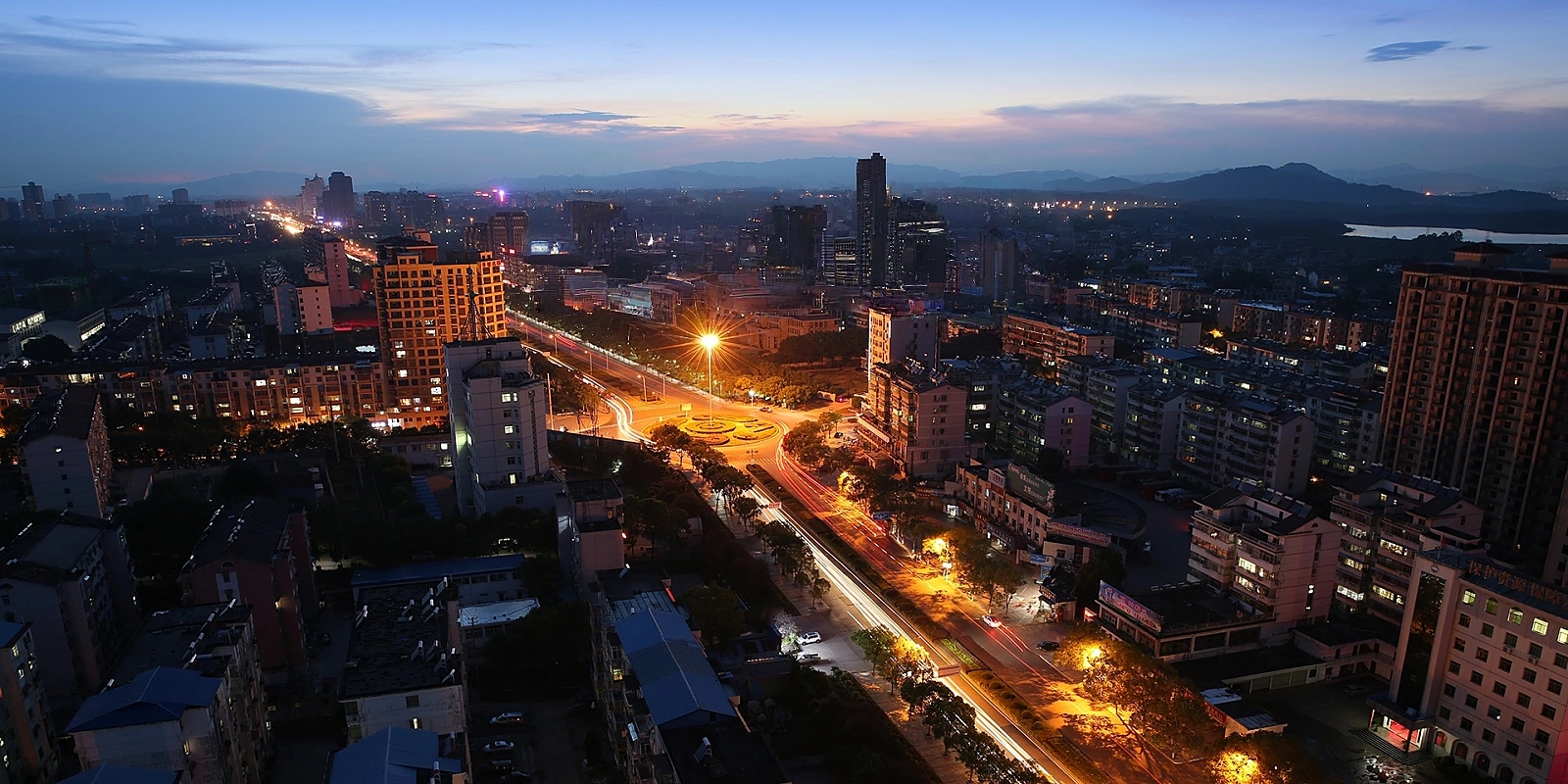
In 1955, 98 young volunteers from Shanghai stepped off a train in northern Jiangxi with nothing but hoes, tents, and a determination to build something from nothing. They called themselves the “Shanghai Youth Voluntary Reclamation Team.” Forty days later, Hu Yaobang — then the first secretary of the Communist Youth League Central Committee — walked through their makeshift camp and wrote on a piece of paper three words: “Gongqing Commune.” That name, given by one of China’s most beloved leaders, would grow into a reclamation farm, then an open development zone, and finally a city. Today, Gongqingcheng — meaning “Youth League City” — is the only city in China named after the Communist Youth League. Covering 310 square kilometers at the foot of Lushan Mountain and the shore of Poyang Lake, it is home to 220,000 people, a National High-Tech Industrial Zone, and the country’s premier down jacket manufacturing center.
💡 Featured Industries
- Down Jacket and Garment Manufacturing: Gongqingcheng is known as “China’s Down Jacket Capital”. The city hosts a complete down garment industrial chain — from duck farming and down processing to design, manufacturing, and export. Gongqingcheng is a national-level new industrialization demonstration base in the textile sector, producing millions of down jackets annually for both domestic and international markets.
- High-Tech and Electronics Manufacturing: As a National High-Tech Industrial Development Zone, Gongqingcheng has attracted investment in electronics, precision machinery, and new materials manufacturing. The city’s high-tech zone benefits from its location in the Ganjiang New Area — a national strategic development zone — and offers well-developed industrial parks with modern infrastructure.
- University Economy and Education Industry: Gongqingcheng has developed a distinctive “university city” economy, hosting five college campuses including branches of Jiangxi University of Finance and Economics, Nanchang University, Jiangxi Normal University, Jiangxi Agricultural University, and Nanchang Hangkong University. The tens of thousands of students support a thriving service economy of housing, retail, dining, and entertainment.
- Ecological Agriculture and Specialty Products: The city’s Poyang Lake shoreline and fertile farmland support specialty agriculture including Ruicheng grapes, Sujiadang crayfish, Yanfang strawberries, and high-quality rice. The agricultural sector increasingly integrates with tourism through pick-your-own farms and agri-tourism.
- Modern Services and Logistics: Located on the Nanchang-Jiujiang industrial corridor at the midpoint between Nanchang and Jiujiang (50 km from each), Gongqingcheng has developed logistics parks, wholesale markets, and business services supporting its industrial sectors and student population.
🗺 Tourist Attractions
- Pearl Lake Park: A scenic urban lake park featuring walking paths, bridges, pavilions, and landscaped gardens. The lake’s calm waters reflect the surrounding greenery, creating a tranquil retreat in the heart of the city. The park is popular for morning exercise, evening strolls, and weekend family outings.
- Bamboo Grove Village: A rural tourism destination featuring dense bamboo forests, traditional farmhouses, and peaceful walking trails. Visitors can experience rural life, enjoy farm-to-table meals, and explore the bamboo groves that have inspired Chinese poets and painters for centuries.
- Jiuxian Ridge: A mountain ridge on the outskirts of Gongqingcheng with hiking trails and panoramic views over Poyang Lake and the surrounding countryside. The name “Nine Immortals Ridge” hints at the area’s Taoist and folk mythology associations.
- Marathon Track: A dedicated marathon course built along Poyang Lake, offering runners a scenic route with lake views on one side and city skyline on the other. The track hosts annual marathon and half-marathon events that attract runners from across the province.
- Poyang Lake Wetland (Gongqingcheng Section): The city’s 50-kilometer shoreline along Poyang Lake offers spectacular wetland scenery, especially during winter when migratory birds — including endangered Siberian cranes and white storks — gather in the thousands. The lakefront is a paradise for birdwatchers, photographers, and nature enthusiasts.
🎭 Culture
- Pioneer Spirit of the Shanghai Youth: The founding story of 98 Shanghai volunteers is the defining cultural narrative of Gongqingcheng. The city’s creation myth — transforming wasteland into a modern city through sheer will — is commemorated in museums, monuments, and annual celebrations. Hu Yaobang’s three personal inscriptions for the city (1955, 1979, 1984) are treasured artifacts displayed at the city’s historical museum.
- Youth League Heritage: As China’s only city named after the Communist Youth League, Gongqingcheng maintains a unique youth-oriented identity. The city hosts youth exchange programs, volunteer recruitment events, and educational activities centered on the legacy of the founding generation’s dedication and sacrifice.
- University Culture: With five college campuses, Gongqingcheng has a vibrant, youthful atmosphere shaped by its student population. The university district buzzes with cafes, bookstores, street food stalls, and cultural events ranging from music festivals to academic conferences.
- Poyang Lake Fishing Traditions: The city’s lakeside communities maintain traditional fishing practices that have sustained families for generations. Annual fishing festivals celebrate the bounty of Poyang Lake with boat processions, fish-catching competitions, and communal feasts.
- Hu Yaobang Memorial Legacy: The city holds a special reverence for Hu Yaobang (1915-1989), who personally named and supported the community across three decades. His connection to Gongqingcheng is a source of local pride, and his birthday and death anniversary are marked by commemorative events.
🚗 Getting There
- Road: Gongqingcheng sits on the Nanchang-Jiujiang Expressway corridor, exactly midway between Nanchang and Jiujiang (50 km each). National and provincial roads connect the city to neighboring counties and scenic areas around Lushan Mountain and Poyang Lake.
- Rail: The Beijing-Kowloon Railway passes through Gongqingcheng, with regular train service to Nanchang, Jiujiang, and destinations across the national rail network. The city is also connected to the Changjiu intercity railway corridor.
- Air: The city is approximately 50 km from both Nanchang Changbei International Airport and Jiujiang Lushan Airport, making both airports easily accessible by road in under an hour.
- Water: Gongqingcheng has 50 kilometers of Poyang Lake shoreline, providing access to the lake’s waterways. Poyang Lake connects to the Yangtze River through Hukou, enabling water transport to major Yangtze ports.
🍜 Local Cuisine
- Gongqing Pressed Salted Duck: The city’s most famous specialty — duck cured with salt and spices, then pressed flat and air-dried. The resulting duck has firm, fragrant meat and is typically steamed and sliced as a cold appetizer or main dish. It is a registered local specialty and a popular gift item.
- Mugwort Rice Cake: Traditional glutinous rice cakes made with fresh mugwort leaves, giving them a distinctive green color and herbal aroma. The cakes are filled with sweet red bean paste or savory ingredients and steamed in bamboo leaf wrappers.
- Sujiadang Crayfish: Freshwater crayfish farmed in the Sujiadang area near Poyang Lake, prepared with generous amounts of garlic, chili, ginger, and beer. The spicy, succulent crayfish have become a local summer delicacy, served in restaurants throughout the city.
- Steamed Rice Cake: A traditional steamed cake made from rice flour and fermented batter, cooked in a distinctive wooden steamer. The cake has a light, spongy texture and slightly sweet flavor, often eaten for breakfast or as a snack.
- Poyang Lake Fish Feast: Fresh fish from Poyang Lake prepared in various styles — steamed with ginger and scallions, braised in soy sauce, or cooked in a spicy fish hotpot. The lake’s clean, nutrient-rich waters produce sweet, tender fish flesh.