The Tusi Sites, inscribed as a UNESCO World Heritage site in 2015 across the rugged Wuling Mountains of southwest China, preserve the physical remnants of one of the most distinctive systems of governance in Chinese imperial history. Comprising three component sites — Laosicheng in Hunan, Tangya Tusi City in Hubei, and the Hailongtun Fortress in Guizhou — these mountain strongholds bear witness to the Tusi system, a unique form of indirect rule that governed China’s ethnic frontier regions from the 13th century until the early 20th century.
⚔️ The Tusi System: Tribal Lords Under the Emperor
For over 600 years, the Tusi (土司) — literally “native chieftains” — ruled the mountainous borderlands of southwest China, governing ethnic minority populations on behalf of the imperial court. In exchange for military service and tribute, the central Chinese government granted these hereditary local rulers considerable autonomy. The Tusi system was a pragmatic response to the challenges of governing remote, culturally distinct regions: rather than imposing direct Han Chinese administration, the court co-opted local power structures, allowing tribal leaders to maintain their traditional authority while aligning with the imperial order. The system reached its fullest development under the Ming (1368–1644) and Qing (1644–1912) dynasties.
🏯 Laosicheng: The Pompeii of the Tusi World
The largest and most extensively excavated of the three sites, Laosicheng (老司城) in Yongshun County, Hunan, served as the political and military capital of the Peng family — a powerful Tusi clan that governed the region for over 800 years. The site contains the remains of a walled city, palace foundations, temple complexes, and an elaborate drainage system, all set within a dramatic river valley. Archaeological excavations have revealed stone-paved roads, ornately carved architectural elements, and evidence of a sophisticated urban layout that blended Ming imperial architectural style with local Tujia ethnic traditions. The scale of the site has earned it the nickname “the Angkor Wat of the Tusi world.”
🏰 Hailongtun: The Fortress That Defied an Empire
Perched atop a sheer mountain peak in Zunyi, Guizhou, Hailongtun Fortress (海龙屯) is perhaps the most dramatic of the Tusi sites. Built by the Yang clan, who ruled the Bozhou region for 29 generations, this mountaintop stronghold was considered virtually impregnable — until 1600, when the Ming imperial army, weary of the Yang family’s expanding power, launched a massive military campaign to subdue them. The ensuing Battle of Hailongtun saw the fortress fall after 114 days of siege, marking the end of the Yang Tusi and the beginning of direct Ming administration. Today, visitors climb the steep stone stairway through six fortified gates, past massive walls that still bear the scars of cannon fire from the Ming assault.
🗿 Tangya Tusi City: A Court Frozen in Time
The Tangya Tusi City (唐崖土司城) in Xianfeng County, Hubei, offers the most complete picture of Tusi urban planning. The site encompasses a court area, administrative buildings, residential quarters, military installations, and religious structures arranged along a central axis. Stone carvings of horses and grooms flank the entrance to the main court, while stone tablets bearing Ming imperial decrees testify to the complex relationship between the central court and its frontier representatives. The Qin family, who ruled here, maintained their authority through a careful balance of military strength and diplomatic skill, navigating between ethnic Tujia traditions and the demands of the imperial bureaucracy.
🌍 Three Sites, One Legacy
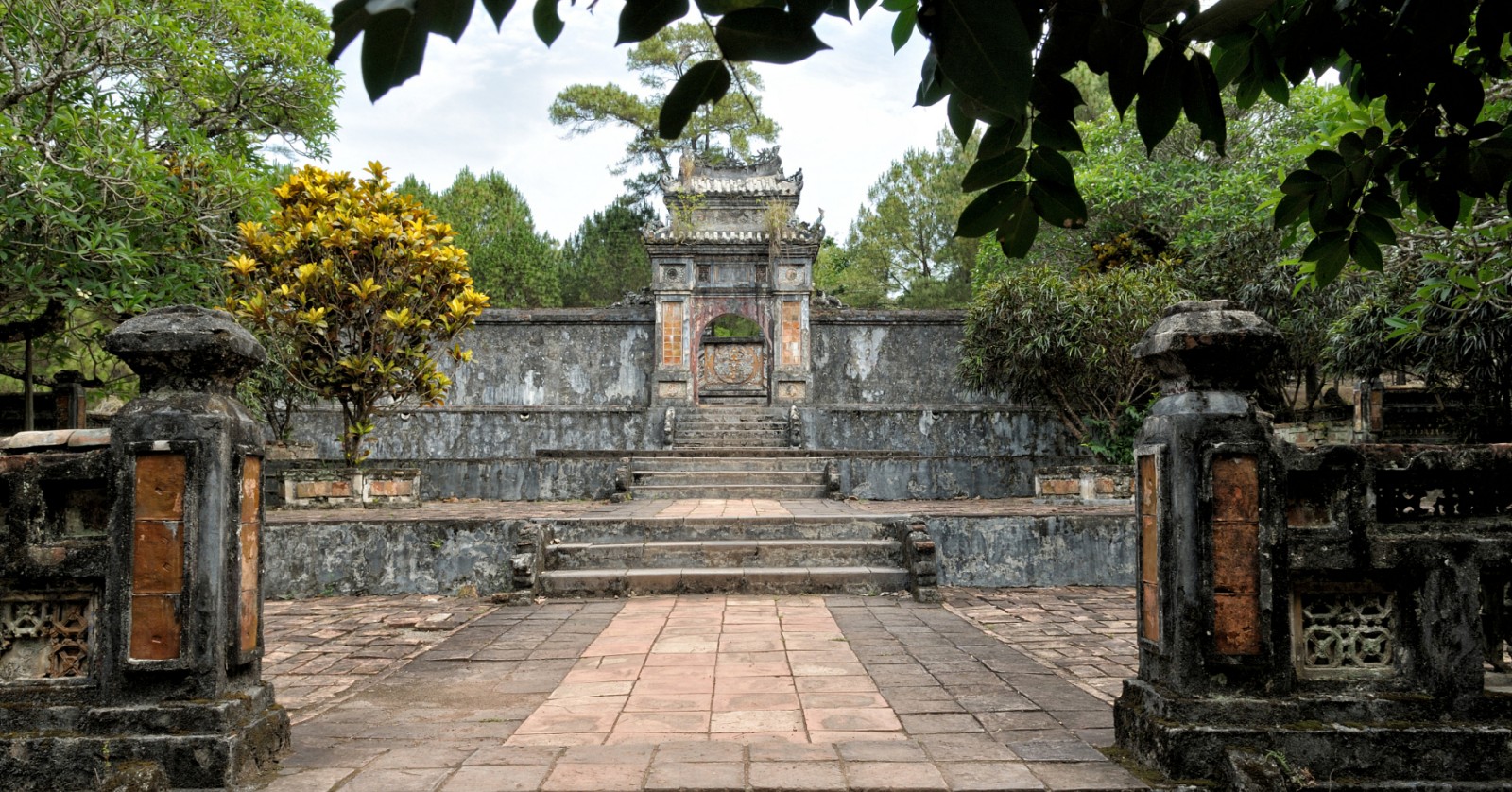
Together, the three components of the Tusi Sites World Heritage nomination — covering different historical periods, ethnic groups, and geographical settings — tell the story of a political system that has no precise parallel in world history. The Tusi system cannot be called colonialism, nor feudalism in the European sense, nor simple military occupation. It was a uniquely Chinese experiment in cultural pluralism, where local identity and imperial unity coexisted in an arrangement that lasted for seven centuries. The ruins of these mountain capitals, with their crumbling walls and moss-covered foundations, speak to a lost world of frontier lords, tribal alliances, and the delicate art of ruling from a distance.
🧭 Visiting the Mountain Kingdoms
Each of the three Tusi sites offers a distinct visitor experience. Laosicheng, the most accessible, features an on-site museum and well-marked walking trails. Hailongtun rewards those who make the steep climb with panoramic views of the Guizhou countryside. Tangya, the least visited, offers a more contemplative experience amid its quiet ruins. Spring and autumn provide the most comfortable weather for exploration, as summers in the Wuling Mountains can be humid and winters bitterly cold at higher elevations.